
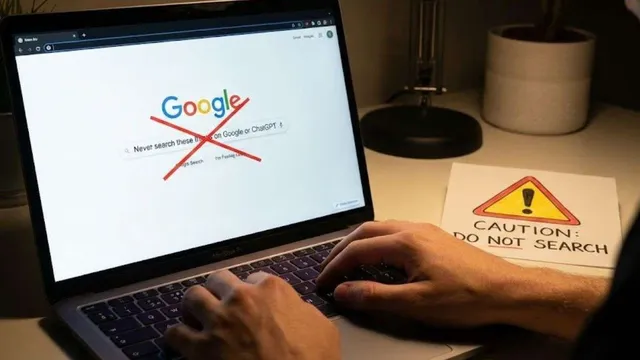
Google is one of the world’s most popular search engines and helps people find answers to almost every question. From checking the weather and finding nearby restaurants to learning new skills, Google has become an essential part of daily life.
However, not everything you search online is safe. Some searches can expose you to scams, malware, misinformation, or even financial loss. While Google provides access to information, it cannot always verify whether every website or result is trustworthy.
Here are some types of searches you should avoid or approach with extra caution.
Avoid Searching for Customer Care Numbers on Google
Many people search Google to find customer care numbers for banks, telecom companies, or online shopping platforms. While this may seem convenient, it can also be risky.
Cybercriminals often create fake websites that display fraudulent customer support numbers. If you call these numbers, scammers may try to collect your banking details, OTPs, passwords, or personal information.
To stay safe, always visit the official website or mobile app of the company or bank to find genuine contact details.
Don’t Download Cracked or Free Premium Software
Searching for cracked software, premium apps for free, or pirated versions of paid programs can put your device at serious risk.
Many websites offering illegal software include hidden malware, spyware, ransomware, or viruses in their downloads. Installing these files can compromise your personal data, slow down your computer, or even give hackers remote access to your device.
Always download software from the official website or trusted app stores.
Avoid Relying on Google for Medical Treatment
Google can help you understand general health information, but it should never replace professional medical advice.
Searching your symptoms online may lead you to incorrect conclusions because search results often include outdated information, personal opinions, or unverified medical claims.
If you experience persistent or serious health problems, consult a qualified doctor instead of self-diagnosing through search results.
Be Careful with Investment Advice
Many people search Google for ways to earn quick profits through investments.
Unfortunately, scammers often create fake investment websites, misleading blogs, or sponsored advertisements promising guaranteed returns. Clicking these links may result in financial fraud or investment scams.
Before making any investment decision, consult a certified financial advisor or use trusted financial institutions rather than relying solely on search results.
Never Share Personal or Banking Information
Avoid searching for websites where you plan to enter sensitive information unless you are certain they are legitimate.
Always verify that the website uses a secure connection (HTTPS) and belongs to the official organization before entering details such as:
- Bank account information
- Debit or credit card details
- Internet banking passwords
- OTPs
- Aadhaar or PAN details
Legitimate organizations never ask for confidential information through random websites or phone calls.
Avoid Visiting Suspicious Websites
If a search result promises unrealistic offers, free money, hacked accounts, or illegal downloads, avoid clicking on it.
These websites may contain harmful software, phishing pages, or misleading advertisements designed to steal your information.
Stick to trusted and well-known websites whenever possible.
Tips to Stay Safe While Using Google Search
Following a few simple habits can help you browse more safely:
- Visit official websites whenever possible.
- Check the website address carefully before clicking.
- Avoid downloading files from unknown sources.
- Keep your browser and antivirus software updated.
- Never share passwords or OTPs with anyone.
- Verify information from reliable and trusted sources before making important decisions.
Conclusion
Google is an excellent tool for finding information, but using it wisely is equally important. Not every search result is reliable, and scammers often take advantage of users searching for customer care numbers, investment opportunities, free software, or medical advice.
By relying on official websites, avoiding suspicious links, and verifying information before taking action, you can protect your personal data, finances, and devices from online threats while enjoying a safer browsing experience.