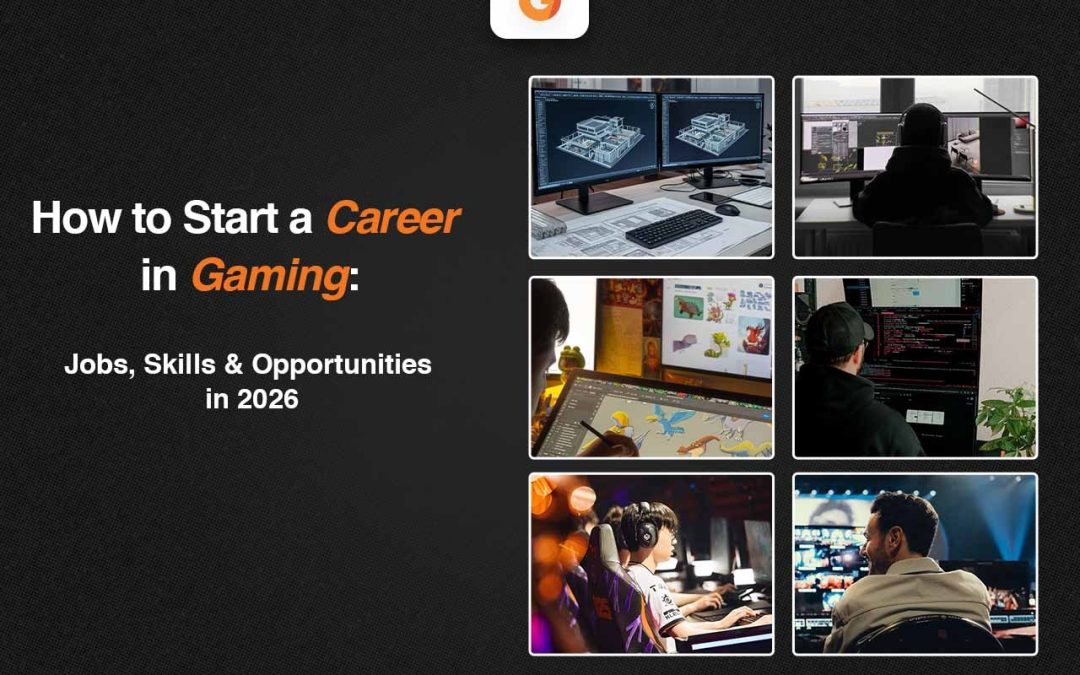
A career in gaming today is about much more than just coding. The industry has grown into a huge part of the entertainment world, with opportunities in game development, design, art, esports, content creation, marketing, and business. If you’ve always loved gaming and want to turn that passion into a career, 2026 offers plenty of ways to get started. Platforms like GAMIVO also show how the gaming world has expanded beyond traditional game studios.
Why Choose a Career in Gaming in 2026?
The numbers don’t lie. Mobile gaming keeps growing, cloud gaming is finally becoming mainstream (no more waiting for downloads or upgrading your rig every year), and esports viewership keeps climbing right alongside traditional sports. All of this growth means studios, publishers, and platforms need more people, not fewer.
What makes a career in gaming especially appealing right now is the flexibility. Plenty of roles, from game testing to content creation, can be done remotely or freelance. You’re no longer required to move to a big studio city just to get your foot in the door.
Top Gaming Jobs to Explore
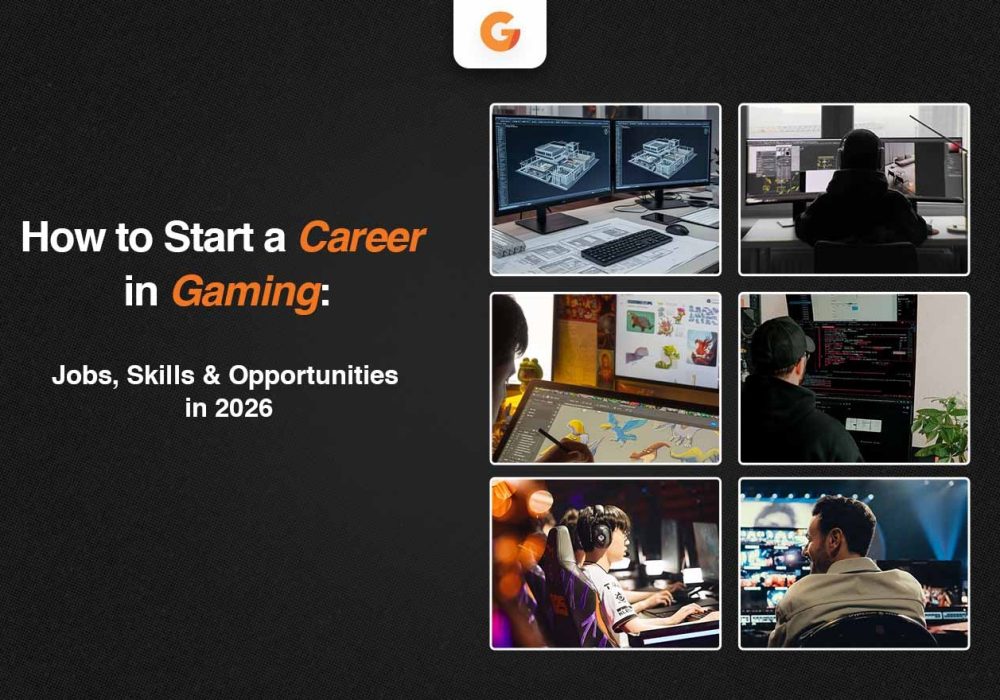
There’s no single way to build a career in gaming. Whether you enjoy coding, creating visuals, testing games, or building a gaming community, there’s a role that can match your interests and skills.
- Game developers: use programs like C++, C#, Unity, or Unreal Engine to create and code the actual game. This is the technical aspect of gaming.
- Game Designer: From designing levels and characters to crafting narratives and gaming mechanics, game designers concentrate on how a game feels and plays.
- Game Artist & Animator: This could be a fantastic fit if you’re more interested in visuals. Using programs like Blender, Maya, or Adobe software, artists and animators produce environments, characters, animations, and other visual components.
- QA Tester: Before a game is released to players, QA testers test it for bugs, glitches, and other issues. Although it may seem like a dream job, evaluating the same features over and over again requires a lot of patience.
- Esports & Content Careers: Gaming also offers plenty of opportunities outside game development, including streaming, commentary, gaming journalism, social media, and community management.
Skills You Need
Here are the best skills you need to build a career in gaming.
- Technical: Programming, game engines, 3D modeling, QA know-how, whatever fits your role. Honestly, the fastest way to get good at this stuff is just messing around in Unity, Unreal Engine, or Blender until it clicks.
- Creative: This is the storytelling and design side, coming up with characters, levels, mechanics, ideas that are actually fun. Problem-solving matters a ton here too, since a lot of design is just fixing things that don’t feel right yet.
- Soft Skills: People forget this part, but communication and teamwork are huge. Games are seldom made solo. Being adaptable helps too, because tools and trends change constantly in this industry.
How to Start a Gaming Career
Pick something you actually like, build skills bit by bit, and get your hands dirty with real projects.
- Pick Your Path: Coding, design, art, QA, esports, content- just pick one to start. Trying to do everything at once usually just slows you down.
- Learn the Right Skills: Courses and tutorials help, sure, but nothing beats just practicing. Work on small projects as you go so you’re actually using what you’re learning.
- Build a Portfolio: This matters more than people expect. Games, art, designs, whatever proves you can actually do the thing. A good portfolio can honestly open more doors than a degree.
- Gain Experience: Internships, freelance work, game jams, entry-level gigs- take whatever gets your foot in the door. This is also where you’ll meet people who end up mattering later.
Opportunities Beyond Game Development
The gaming career opportunities don’t stop at studios; esports management, marketing, journalism, localization, and hardware are all growing fields. Even marketplaces like GAMIVO run entire teams in marketing, support, and business development, proving the job market extends well past game design and coding.
Tips for Beginners
- Start small; your first project doesn’t need to be great; it just needs to exist.
- Keep learning new tools and keep an eye on where the industry’s heading.
- Network for real, not just when you need a favor from someone.
- Keep your portfolio updated as you improve; old work doesn’t do you any favors.
- Study the business side too; platforms like GAMIVO that gamers already use to buy game keys are a good example of how the industry runs commercially, not just creatively.
FAQs
Is gaming a good career in 2026?
Yes, gaming offers career opportunities in development, design, esports, content creation, testing, marketing, and more.
What skills are needed to work in gaming?
Technical, creative, problem-solving, communication, and teamwork skills are useful for different gaming roles.
Can I start a gaming career without a degree?
Yes, a strong portfolio, practical projects, relevant skills, and experience can help you enter several gaming roles without a degree.
What is the easiest gaming job to start with?
Entry-level roles such as game testing, community support, and content creation may be suitable for beginners, depending on their skills.
How do I start a career in gaming with no experience?
Choose a gaming field, learn the required skills, create projects, and build a portfolio to demonstrate your abilities.
Final word
A career in gaming in 2026 isn’t limited to coding, development, design, art, QA, esports, and content; all offer real paths in. The gaming jobs 2026 has to offer are more varied than most people realize, and the game industry careers opening up mean the hardest part isn’t finding a way in; it’s picking your door. And whether you’re job-hunting or just gaming on the side, sites like GAMIVO are worth exploring as you get familiar with how the industry actually runs.