If you’ve got a creative streak and a bit of spare time, Etsy is one of those platforms that keeps proving you don’t need a warehouse or a business degree to start earning. People are turning handmade jewelry, downloadable planners, and everything in between into real side income — and a lot of them started with nothing more than an idea and a laptop.
So if you’ve been wondering how to make money on Etsy, here’s the reassuring part: you don’t need a big budget or a garage full of inventory to get going. You can sell physical products, digital downloads, personalized gifts, or even offer your creative skills as a service. What actually matters is picking the right niche, making something people genuinely want, and presenting it well. Let’s walk through 10 practical Etsy side hustle ideas worth trying in 2026.
10 Etsy Side Hustle Ideas for Beginners
Here are the best ideas for beginners
Sell Digital Printables
Honestly, this might be the easiest entry point on the whole list. Planners, calendars, budget sheets, meal planners, checklists, journals, study templates — customers just download the file after buying, so there’s no inventory, no packaging, no trip to the post office. Design it once, and it can sell over and over. It’s one of the most beginner-friendly Etsy business ideas out there for exactly that reason.
Create Personalized Gifts
There is something about adding a name or a special date to a product that makes your gift special. Think personalized gifts like mugs, cards, keychains, shirts, nameplates, or keepsakes — built around birthdays, weddings, anniversaries, graduations, and holidays. People tend to pay a little more for something made just for them, which makes personalization a great way to stand out.
Try Print-on-Demand Products
Want to sell without stacking boxes in your spare room? Print-on-demand lets you design T-shirts, hoodies, tote bags, posters, and phone cases, and a third-party company handles the printing and shipping once an order comes in. It’s a low-risk way to test out different designs without sinking money into inventory upfront.
Sell Wedding Templates
Wedding stationery is a category that just keeps performing well for digital sellers. Invitation templates, seating charts, menus, welcome signs, programs, thank-you cards — design them once, sell them again and again. The trick is making your files genuinely easy to edit and giving customers clear instructions so they’re not left guessing.
Start a Handmade Jewelry Shop
If working with your hands is your thing, jewelry can be a genuinely rewarding niche. Earrings, bracelets, necklaces, rings, personalized pieces- there’s room for all of it. The mistake a lot of beginners make is trying to appeal to everyone. Instead, pick a lane: minimalist jewelry, personalized gifts, colorful accessories, or nature-inspired designs.
Sell Wall Art and Home Decor
Wall art is a crowded space, but that doesn’t mean there’s no room for you; it just means you need a focus. Printable artwork, posters, signs, quotes, and decorative designs, instead of throwing up random pieces, build around a theme. Minimalist prints, motivational quotes, nursery decor, personalized family signs, or seasonal decorations all give your shop a more cohesive feel.
Offer Craft Supplies
Not everyone wants to sell a finished product, and that’s fine; there’s real demand for the materials that go into them too. Beads, charms, ribbons, stickers, digital patterns, buttons, and similar supplies attract hobbyists and even other Etsy sellers. If you can source unique or genuinely useful materials at a fair price, this is a solid, often-overlooked way to make money selling on Etsy.
Sell Custom Digital Designs
Got design chops? Logos, illustrations, business cards, invitations, social media templates, branding kits- there’s a real market for custom digital work. It takes more time per order than a ready-made download, but you can price accordingly based on complexity and effort.
Sell Vintage Products
If you’ve got an eye for older, unique finds, vintage can be a fun and profitable niche. Clothing, accessories, collectibles, books, home decor- buyers love the hunt for something different. Just make sure your photos are clear, and your descriptions are honest. Condition, age, size, and any flaws should be spelled out upfront; nobody likes surprises.
Create Gift Bundles
Sometimes people don’t want to think too hard about what to buy; they just want something ready-made and thoughtful. Bundles solve that. Put together themed packages for birthdays, weddings, holidays, teachers, new homeowners, or other occasions. Bundling related items together also naturally increases order value while making your shop feel more complete.
How to Start an Etsy Shop as a Beginner
Once you’ve landed on one of these Etsy shop ideas, resist the urge to upload dozens of random products right away. It’s tempting, but a small, focused collection almost always performs better than a scattered one.
Choose Your Niche
Start by thinking about who you’re actually selling to and what problem your product solves for them. Spend some time browsing other shops, popular listings, customer reviews, and search terms — it’ll give you a real sense of what’s already working and where there might be a gap.
Create Your First Listings
Your listings need to look professional, even on a shoestring budget. Bright, clear photos and descriptions that actually answer the questions a shopper would have go a long way. Weave relevant search terms naturally into your titles, descriptions, and tags — don’t force them in awkwardly.
Set Your Prices
Don’t just copy another seller’s price tag and hope for the best. Add up your material costs, time spent producing each item, packaging, shipping, Etsy fees, and any other expenses. Your price needs room to breathe — enough to actually leave you with profit.
How to Make Money Selling on Etsy
Good products alone won’t cut it; shoppers also need to find your shop and trust it enough to buy. Here’s what actually moves the needle:
Nail your Etsy SEO — research the phrases customers are likely searching for, and weave those keywords naturally into your titles, descriptions, and tags
Invest in high-quality photos — shoppers can’t physically examine your product, so your images have to do that job for you.
Build multiple related listings instead of betting everything on one product.
Study your top performers — if certain listings get more views, favorites, or orders, figure out why, then apply those insights to improve your weaker listings.
Prioritize customer service — answer questions politely, keep delivery info accurate, and stay upfront in your descriptions.
A smooth buying experience is what turns a one-time buyer into a repeat customer — and earns the reviews that bring in new ones.
How Much Can You Make on Etsy?
There’s no magic number; earnings vary based on:
Your prices and profit margins
Sales volume
Etsy fees
Production costs
Marketing spend
Reality check: a shop pulling in $2,000 in sales isn’t walking away with $2,000 in profit. Once expenses are factored in, what you actually keep can be a lot less. If you’re serious about learning to make money on Etsy consistently, track profit — not just top-line sales.
Common Etsy Mistakes Beginners Should Avoid
Copying another seller’s products, or using copyrighted characters, logos, or designs without permission — tempting, but a fast way to run into trouble
Picking a niche so broad your shop has no real identity
Low-quality photos
Mispriced products
Thin product descriptions
Skipping Etsy SEO altogether
Don’t expect overnight sales, either — a shop that actually works takes testing, patience, and a willingness to adjust based on what customers respond to.
FAQs About Making Money on Etsy
Can beginners make money on Etsy?
Yes — plenty of beginners have built solid shops around digital products, handmade goods, personalized items, and more. That said, results vary a lot, and it usually takes consistent effort and some trial and error to get there.
What is the easiest thing to sell on Etsy?
Digital products like planners, templates, printables, and invitations are a pretty gentle starting point since there’s no physical inventory or shipping involved. Personalized products can also work well if you’ve got the right equipment or a reliable production partner.
Is Etsy a good side hustle?
It can be, especially because you can start small and scale up gradually. How much time it takes really depends on whether you’re selling digital products, handmade goods, or made-to-order items.
How much does it cost to start an Etsy shop?
That depends on what you’re selling. Expect listing and transaction fees at minimum, and if you’re selling physical products, factor in materials, packaging, shipping, and marketing too.
Start Your Etsy Side Hustle
There’s no shortage of ways to make money on Etsy in 2026 — digital downloads, handmade products, personalized gifts, vintage finds, or custom designs are all fair game. Pick one clear niche, build a small collection of genuinely good products, and pay close attention to what customers respond to.
You don’t need to build a massive shop overnight. Start small, learn as you go, keep improving your listings, and let your Etsy side hustle grow into something that actually pays off.
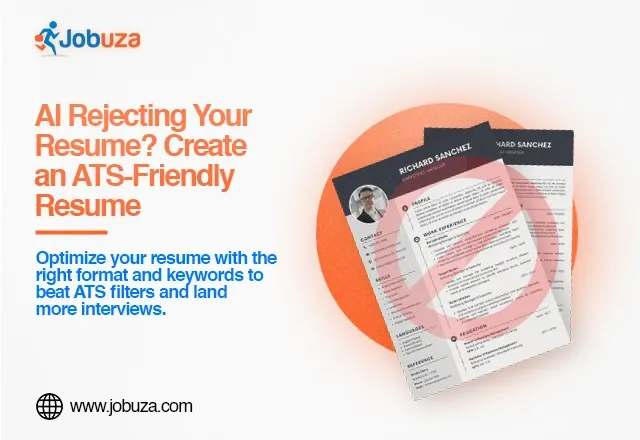
You spent hours polishing your resume. Your experience matches the job perfectly. But you never hear back, not even a rejection email, just silence. Chances are, your resume never made it in front of a human being at all.
Today, most companies use an Applicant Tracking System (ATS) to filter resumes before a recruiter ever opens them. If your resume isn’t formatted correctly or doesn’t contain the right resume keywords, it can be rejected in seconds, no matter how qualified you are.
The good news? Creating an ATS-friendly resume doesn’t require a complete overhaul. In under 15 minutes, you can adjust your formatting, add the right keywords, and dramatically improve your chances of getting past AI resume screening and into the interview pile.
What Is an ATS, and Why Does It Matter?
An Applicant Tracking System (ATS) is software that companies use to manage the large number of applications they receive for every open role. Instead of a recruiter manually reading hundreds of resumes, the ATS helps in scanning each one, checking it against the job description, and ranking candidates based on how closely they match.
That’s why an ATS-friendly resume matters so much. If the system can’t read your formatting or doesn’t find the right terms, your resume might be rejected directly before anyone even opens it. Without an ATS-friendly resume, even a strong candidate can look invisible to the software making that first decision.
Recruiters love this technology because it saves time, it handles large volumes of applications, and streamlines hiring. For job seekers, though, it means you’re no longer just writing for a human; you’re writing for a machine first.
Why Your Resume Keeps Getting Rejected
If you’ve been applying for weeks with no callbacks, one of these common culprits is probably standing between you and an ATS-friendly resume.
Missing the right keywords- If your resume doesn’t include the specific skills, tools, or job titles from the posting, the ATS may reject your resume as a weak match, even if you’re genuinely qualified.
Fancy templates and graphics. A well-designed resume with icons and a colored sidebar can impress a human, but many ATS platforms simply can’t read it and reject the resume.
Confusing formatting. Tables, columns, and unusual fonts cannot be decoded by the system, and it might reject it.
Sending one generic resume everywhere. A one-size-fits-all resume rarely matches the exact keywords each job posting is looking for, and that hurts your match score every single time. This is one of the most common ways candidates fail AI resume screening without ever realizing it — and it’s also one of the easiest resume optimization fixes to make.
How to Build an ATS-Friendly Resume in 15 Minutes
Here’s the part you’ve been waiting for: the actual steps to build an ATS-friendly resume, using the right ATS resume format from the very first step.
Step 1: Study the job description: Look for the specific skills, tools, and qualifications the employer keeps mentioning. Those words matter.
Step 2: Weave in resume keywords naturally: Add the terms you found into your summary, work experience, and skills sections. Don’t force them — let them fit the sentence.
Step 3: Choose a simple ATS resume format: Always use a clean, single-column layout. Don’t use text boxes, tables, and columns that confuse software.
Step 4: Use standard section headings: Use labels like Summary, Work Experience, Education, Skills, and Certifications. Creative titles like “My Story” look nice, but they can confuse the system.
Step 5: Show measurable results. Instead of “responsible for social media,” try “grew Instagram engagement by 32% in six months.” Numbers grab attention, whether it’s a bot or a human reading them.
Step 6: Save it correctly. Unless told otherwise, save your resume as a .docx file or a simple text-based PDF, not an image-heavy design file.
Follow those six steps, and you’ll have a genuinely ATS-friendly resume ready to send out in under fifteen minutes.
ATS Resume Tips That Actually Make a Difference
A few smaller habits can boost your chances even further. Keep your resume to one or two pages; recruiters and bots both prefer concise, relevant content. Use simple fonts instead of anything decorative. Use bullet points so your achievements are easy to scan. Mention your technical and soft skills both, since job postings often ask for both. And above all, tailor your resume for every single application instead of recycling the same version. These ATS resume tips aren’t flashy, but they consistently work because they solve the actual problem: making your resume easy for software to read and easy for people to like.
Mistakes That Quietly Kill Your Chances
Even well-meaning job seekers sabotage themselves without realizing it. Keyword stuffing, cramming in every possible term, can backfire and make your resume look like spam. Adding logos, headshots, or icons often means that content gets ignored entirely. Using tables or multiple columns can jumble the order in which your information gets read. And hiding your contact details or key experience in a header or footer is risky, since some systems don’t scan those areas at all.
Avoiding these mistakes is just as important as following the right resume optimization steps in the first place.
Quick Checklist Before You Hit “Apply”
Before sending off your next application, run through this quick ATS-friendly resume checklist:
Did you use keywords from the job posting?
Is your resume format simple, not fancy?
Did you proofread it for typos?
Did you include real numbers to back up your achievements?
Did you save it in the right file format?
Did you run it through an ATS checker?
Final Thoughts
ATS software doesn’t reject candidates randomly; it is simply matching resumes to job requirements based on keywords and formatting. That means the fix is often simpler than it seems. A few thoughtful changes, the right keywords, a clean ATS resume format, and clear section headings can make the difference between your resume landing in the “reviewed” pile or getting lost in the system. Before your next application, spend 15 minutes optimizing your resume. It’s a small investment that can significantly increase your chances of landing an interview.
The latest Employees’ Provident Fund (EPF) reform has renewed focus on an important aspect of retirement planning that many employers had overlooked for years. While EPF rules have always required mandatory contributions based on the statutory wage ceiling of ₹15,000 per month, several organisations voluntarily contributed 12% of an employee’s actual salary as part of their payroll policy.
The recent reform reinforces the distinction between mandatory EPF contributions and voluntary higher contributions. This clarification not only provides greater flexibility for employers but also opens the door to redesigning employee compensation and retirement benefit structures.
Understanding the EPF Contribution Rule
Under the EPF Act, employers are legally required to contribute 12% of the prescribed wage ceiling, which currently stands at ₹15,000 per month. This means the mandatory employer contribution is calculated on this limit unless both the employer and employee choose to contribute on a higher salary.
Over time, many companies adopted the practice of calculating EPF contributions on the employee’s full basic salary instead of the statutory wage ceiling. While this approach helped employees build a larger retirement corpus, it also increased payroll costs and reduced monthly take-home pay.
What Does the EPF Reform Mean?
The recent reform reiterates that mandatory EPF contributions are linked to the statutory wage ceiling unless an organisation voluntarily opts for higher contributions.
This gives employers greater flexibility to review their existing salary structures and determine whether higher voluntary contributions continue to align with their compensation policies and workforce needs.
Benefits for Employers
The clarification allows organisations to reassess their payroll strategies while ensuring compliance with EPF regulations.
Potential advantages include:
Better management of employee compensation costs.
Greater flexibility in designing salary packages.
Opportunity to introduce alternative retirement or investment benefits.
Improved alignment between payroll policies and business objectives.
Impact on Employees
For employees, the reform may lead to higher monthly take-home salaries if EPF contributions are limited to the statutory wage ceiling.
However, lower EPF contributions could also result in:
A smaller retirement corpus.
Reduced long-term savings.
Lower tax-efficient retirement accumulation.
Employees should evaluate whether they need to increase their personal savings through other investment options to maintain their retirement goals.
A Chance to Revisit Retirement Planning
The reform is not just about payroll compliance. It encourages both employers and employees to rethink long-term retirement planning.
Companies may explore additional retirement benefits, while employees should review their financial plans to ensure they continue building adequate retirement savings despite any changes in EPF contributions.
Final Thoughts
The recent EPF reform highlights the difference between statutory and voluntary contributions, giving employers an opportunity to review their compensation and retirement benefit policies. While the change may improve take-home pay for some employees, maintaining a balanced approach between current income and future financial security remains essential for effective retirement planning.
If your phone has been buzzing with forwards claiming the ITR deadline is “already extended,” you’re not alone. As July 31 creeps closer, WhatsApp groups and social media timelines fill up with the same rumour every single year. Some of it is wishful thinking, some of it is outdated news recycled from last year, and some of it is just plain wrong. Before you decide to sit back and wait, here’s what’s actually true, what’s speculation, and what you should be doing right now.
Why Are Rumours About an ITR Deadline Extension Spreading?
A few things always come together around this time of year. Traffic on the income tax portal spikes as procrastinators rush in during the final week. Screenshots and “insider” WhatsApp forwards start doing the rounds claiming an extension is confirmed. Tax professionals, swamped with last-minute clients, publicly ask for more time. And because the deadline has been pushed back in some previous years, people assume it’s basically a tradition now.
What Is the Official July 31 ITR Filing Deadline?
Under the staggered timeline announced in Budget 2026, salaried individuals, pensioners, and anyone filing ITR-1 or ITR-2 need to file by July 31, 2026. Freelancers, professionals, and small businesses filing ITR-3 or ITR-4 without an audit requirement get until August 31, 2026, while cases needing a statutory tax audit have until October 31, 2026<cite index=”5-1″>.</cite> Any extension beyond these dates only becomes real once it’s formally announced by the CBDT or Ministry of Finance — not before.
Rumours vs Reality
Rumour 1: The Deadline Has Already Been Extended
As of now, there’s no official word from the CBDT confirming an extension for the July 31 deadline. If you’ve seen a claim like this, treat it the same way you’d treat any unverified forward: check it against the income tax department’s own channels before you act on it.
Rumour 2: The Portal Is Slow, So Everyone Will Get More Time
Portal congestion alone has never automatically triggered an extension. This year in particular, the government has invested heavily in preparing the system — the e-filing portal has reportedly been tested to handle up to one crore returns a day, well above current volumes, and officials told Parliament that infrastructure had been strengthened after reviewing past filing seasons<cite index=”10-1″>.</cite>
Rumour 3: Every Year the Government Extends the Deadline
It feels that way because last year’s extension is still fresh in memory — the AY 2025-26 deadline moved from July 31 to September 15 because of major changes to ITR forms and delayed TDS credit reflections. That was announced through an official CBDT press release, not a rumour. This year is different: the forms and filing utilities were released well ahead of time, and tax experts widely believe the deadline is unlikely to move unless a major technical failure forces the government’s hand.
What Happens If You Miss the July 31 Deadline?
Miss it, and Section 234F kicks in with a late fee. You’ll also owe interest on any unpaid tax, and refunds, if you’re due one, will take longer to process. Depending on your situation, you may still be able to file a belated return later in the year, but it’s a fallback, not a plan.
Should You Wait for an Extension?
Betting on a last-minute extension is a bit like waiting for a train that might not come. If it does arrive, great — you’ve lost nothing by being ready early. If it doesn’t, you’re stuck fighting website congestion in the final 48 hours, rushing through numbers you should have double-checked, and increasing your odds of an error that comes back to bite you later. If your documents are ready, there’s no real upside to waiting.
Tips to File Your ITR Before the Deadline
Make sure your PAN and Aadhaar are linked.
Gather your Form 16, AIS, and TIS well in advance.
Confirm your bank account details are correctly validated on the portal so refunds don’t get stuck.
Go through your deductions and exemptions carefully rather than rushing them at the end.
E-verify your return after submitting it; an unverified return is treated as if it was never filed.
.
Where to Check Official Updates
Stick to the Income Tax Department’s official announcements, the e-filing portal itself, and PIB or Ministry of Finance notifications. Anything else, however convincing it looks, should be treated as unconfirmed until it shows up on one of these sources.
Conclusion
Rumours travel faster than facts, especially in the last week before a tax deadline. The safest approach is simple: assume July 31 stands until you see an official announcement saying otherwise, and file as if no extension is coming. That way, whether or not one actually happens, you’re covered.
FAQs
Is the July 31 ITR filing deadline officially extended? Not as of now. Any extension only becomes valid once the CBDT or Ministry of Finance issues a formal announcement.
Why are people saying the ITR deadline will be extended? A mix of social media rumours, heavy portal traffic in the final week, and requests from tax professionals for more time.
What happens if I file my ITR after July 31? You may face a late filing fee under Section 234F, interest on unpaid tax, and delays in getting your refund.
Where can I verify ITR deadline updates? The Income Tax Department’s official e-filing portal and verified government announcements through PIB or the Ministry of Finance.
Should I wait for an extension before filing my ITR? No. It’s safer to file before the due date rather than plan around an extension that hasn’t been confirmed.
Building long-term wealth is not just about earning higher returns—it is also about reducing your tax burden. This is where EEE (Exempt-Exempt-Exempt) investment schemes become valuable. These investments offer tax benefits at three stages: on the amount invested, on the interest earned, and on the maturity proceeds, making them among the most tax-efficient investment options available in India.
Although the number of pure EEE investment options is limited, these government-backed schemes provide safety, stable returns, and long-term financial security. Here are five of the best tax-saving investment options that can help you grow your wealth while enjoying significant tax benefits.
What is an EEE Investment?
EEE stands for Exempt-Exempt-Exempt, which means:
The investment amount qualifies for tax deduction (subject to applicable tax laws).
The interest or returns earned remain tax-free during the investment period.
The maturity amount is also exempt from tax.
These features make EEE schemes ideal for retirement planning, wealth creation, and long-term savings.
1. Public Provident Fund (PPF)
The Public Provident Fund (PPF) is one of India’s most trusted long-term investment schemes. Backed by the Government of India, it offers guaranteed returns along with complete EEE tax benefits.
Currently, the scheme offers an interest rate of 7.1% per annum, with rates reviewed every quarter by the government.
Key Features
Government-backed investment
Lock-in period of 15 years
Minimum annual investment: ₹500
Maximum annual investment: ₹1.5 lakh
Tax deduction available under Section 80C under the old tax regime
Interest and maturity amount remain tax-free
PPF is considered an excellent option for conservative investors planning for retirement or long-term financial goals.
2. Employees’ Provident Fund (EPF)
The Employees’ Provident Fund (EPF) is a retirement savings scheme designed for salaried employees. It is managed by the Employees’ Provident Fund Organisation (EPFO).
Both employers and employees contribute to the EPF account, helping build a retirement corpus over the course of employment.
Key Features
Current interest rate: 8.25% per annum
Suitable for salaried employees
Employer and employee both contribute
Employee contributions qualify for tax benefits under Section 80C (old tax regime)
Eligible interest and maturity proceeds are tax-efficient under applicable rules
EPF remains one of the most popular retirement investment options in India.
3. Voluntary Provident Fund (VPF)
The Voluntary Provident Fund (VPF) allows salaried employees to contribute more than the mandatory EPF contribution.
Since VPF is linked to EPF, it earns the same interest rate and offers attractive tax benefits within the prescribed limits.
Key Features
Available only to EPF members
Government-backed retirement savings option
Same interest rate as EPF
Suitable for long-term retirement planning
Five years of continuous service required for full tax benefits in many cases
Investors should note that interest earned on contributions beyond the prescribed exemption limit may be taxable under current tax rules.
4. Sukanya Samriddhi Yojana (SSY)
The Sukanya Samriddhi Yojana (SSY) is a government-backed savings scheme introduced to support the future financial needs of a girl child.
It offers one of the highest interest rates among small savings schemes while providing full EEE tax benefits.
Key Features
Current interest rate: 8.2% per annum
Account can be opened for girls below 10 years of age
Investment allowed for up to two girl children in a family
Maturity period of 21 years
Eligible for tax deduction under Section 80C
Interest and maturity amount are tax-free
SSY is considered one of the best long-term savings options for education and marriage expenses.
5. National Pension System (NPS)
The National Pension System (NPS) is a market-linked retirement investment scheme that combines wealth creation with tax savings.
Unlike the other schemes, NPS is often referred to as a partially EEE investment because taxation applies to certain portions of the retirement corpus.
Key Features
Available to Indian citizens aged 18 to 70 years
Market-linked returns based on asset allocation
Potential long-term returns of around 9–12%
Additional tax deduction available under Section 80CCD
Flexible investment choices
Partial withdrawals allowed under specified conditions
NPS is suitable for investors who are comfortable with market-linked investments and want to build a retirement corpus over the long term.
Which Tax-Saving Investment Is Best?
The right investment depends on your financial goals and risk appetite.
PPF is ideal for safe, long-term wealth creation.
EPF is best suited for salaried employees planning retirement.
VPF helps employees increase retirement savings while earning EPF interest.
SSY is an excellent option for securing a girl child’s future.
NPS is suitable for investors looking for retirement planning with market-linked growth.
Final Words
EEE investment schemes continue to be among the most tax-efficient savings options available in India. They combine tax benefits with long-term wealth creation and financial security, making them attractive for conservative as well as retirement-focused investors. Before investing, compare each scheme’s eligibility, lock-in period, returns, and tax benefits to choose the option that best matches your financial goals.
Smartphones have become an essential part of daily life, but when it comes to handling office work, online classes, content creation, or multitasking, a laptop offers a far better experience. A larger display, physical keyboard, better performance, and support for multiple applications make laptops the preferred choice for productivity.
If you’re planning to buy a laptop in 2026, here are five models from leading brands that offer excellent performance for work, study, and everyday use.
Lenovo Laptop
Lenovo laptops continue to be a popular choice for students and professionals due to their reliable performance and comfortable keyboards.
These laptops are well-suited for:
Office work
Online meetings
Web browsing
Document editing
Multitasking
Many Lenovo models also offer long battery life and lightweight designs, making them ideal for users who frequently travel.
ASUS Laptop
ASUS provides a wide range of laptops designed for productivity and entertainment. Many models feature high-refresh-rate displays, modern processors, and fast SSD storage for smoother performance.
Key highlights include:
Smooth multitasking
Fast boot times
Crisp display quality
Lightweight design
Good battery backup
ASUS laptops are suitable for students, remote workers, and professionals who require reliable everyday performance.
Acer Laptop
Acer laptops are known for offering excellent value for money. They provide capable hardware at competitive prices, making them a strong option for budget-conscious buyers.
These laptops are ideal for:
Online learning
Office tasks
Video conferencing
Internet browsing
Everyday computing
Many Acer models also include Full HD displays and SSD storage for improved speed.
HP Laptop
HP laptops remain one of the most trusted options in the productivity segment. They combine premium build quality with dependable performance and security features.
Popular features include:
Comfortable keyboard
Quality display
Reliable battery life
Smooth multitasking
Business-friendly features
HP laptops are suitable for professionals, students, freelancers, and users who need a dependable device for daily work.
Dell Laptop
Dell laptops are widely preferred for their durability, performance, and after-sales support. They are designed to handle both personal and professional workloads efficiently.
Dell laptops perform well for:
Office productivity
Content creation
Programming
Business applications
Everyday multitasking
Many models also include high-quality displays, fast SSDs, and efficient processors for improved overall performance.
Laptop vs Smartphone for Productivity
Although smartphones are excellent for communication and quick tasks, laptops offer several advantages for productivity.
Some major benefits include:
Larger screen for comfortable viewing
Physical keyboard for faster typing
Better multitasking capabilities
Support for desktop software
Improved file management
Easier video editing and content creation
Better experience for spreadsheets, presentations, and coding
For users who spend several hours working each day, a laptop can significantly improve efficiency compared to relying only on a smartphone.
Which Laptop Should You Choose?
Your choice depends on your requirements and budget.
Lenovo is ideal for professionals and frequent travelers.
ASUS offers a great balance of performance and value.
Acer is a strong choice for budget-conscious buyers.
HP suits business users and students looking for reliability.
Dell is recommended for users who need durability and consistent performance.
Final Words
Laptops continue to be the better choice for productivity, offering a larger display, better multitasking, faster performance, and greater flexibility than smartphones. Whether you’re attending online classes, working remotely, managing business tasks, or creating content, models from Lenovo, ASUS, Acer, HP, and Dell provide dependable performance for everyday use. Before making a purchase, compare specifications such as processor, RAM, storage, battery life, and display quality to choose the laptop that best fits your needs and budget.