The Railway Recruitment Cell (RRC), Central Railway has released the RRC CR Recruitment 2026 Notification for 59 Sports Quota vacancies under Group C and Level 1 posts. Eligible candidates can submit their online applications through the official website rrccr.com from July 15, 2026 to August 14, 2026.
The recruitment drive offers an excellent opportunity for sportspersons who meet the required educational qualifications and sports achievements to secure a job in the Central Railway. Candidates are advised to read the official notification carefully before submitting their application.
RRC CR Recruitment 2026 Overview
The Railway Recruitment Cell (RRC), Central Railway has invited online applications to fill 59 vacancies under the Sports Quota for the 2026-27 recruitment cycle. The vacancies are available for Group C and Level 1 (erstwhile Group D) posts across different pay levels.
Interested candidates can complete the online registration process within the prescribed application period through the official RRC Central Railway website.
RRC CR Recruitment 2026 Notification PDF
The detailed notification contains complete information regarding vacancies, eligibility criteria, educational qualifications, sports qualifications, age limit, selection process, application fee, salary, and other important instructions.
Candidates should download and read the notification carefully before applying online.
RRC CR Recruitment 2026 Important Dates
Event
Date
Online Application Starts
July 15, 2026
Last Date to Apply Online
August 14, 2026
Candidates should complete the application process well before the closing date to avoid last-minute technical issues.
RRC CR Recruitment 2026 Vacancy Details
A total of 59 vacancies have been announced under the Sports Quota.
Post Category
Vacancies
Group C (Level 5/4)
5
Group C (Level 3/2)
16
Level 1 (Erstwhile Group D)
38
Total
59
Eligibility Criteria
Candidates applying for the RRC CR Sports Quota Recruitment 2026 must fulfill the eligibility conditions prescribed in the official notification.
Applicants should possess the required educational qualification applicable to the respective post. Depending on the post, candidates should have passed Class 10, Class 12, or Graduation from a recognized board or university.
In addition to the educational qualification, applicants must also meet the prescribed sports eligibility criteria and should have represented their respective sport at the level specified by the Railway Recruitment Cell.
Candidates are advised to refer to the official notification for complete details regarding post-wise eligibility, sports qualifications, age limit, and reservation rules.
RRC CR Recruitment 2026 Selection Process
The selection process will be conducted as per the guidelines issued for Sports Quota recruitment.
Candidates will be shortlisted based on their sports achievements, performance in trials, assessment of educational qualifications, and verification of documents. Final selection will be made after successful completion of all required stages as mentioned in the official notification.
Salary
Selected candidates will receive salary and other allowances according to the pay level of the post under the Central Railway. Apart from the basic pay, employees will also be entitled to government allowances and benefits as per Railway rules.
How to Apply
Candidates can follow the steps below to complete the online application process.
Step 1: Visit the official RRC Central Railway website.
Step 2: Click on the RRC CR Recruitment 2026 or Sports Quota Recruitment 2026 link available on the homepage.
Step 3: Complete the registration process using the required details.
Step 4: Fill out the online application form carefully with personal, educational, and sports-related information.
Step 5: Upload the required documents, including photographs, signatures, educational certificates, and sports certificates.
Step 6: Pay the application fee, if applicable.
Step 7: Review all the details before submitting the application form.
Step 8: Submit the application and download the confirmation page for future reference.
Final Words
The RRC CR Recruitment 2026 offers a valuable opportunity for talented sportspersons seeking a career in the Indian Railways. With 59 vacancies available under the Sports Quota, eligible candidates should complete their online application between July 15 and August 14, 2026. Before applying, candidates are advised to carefully review the official notification to ensure they meet all educational, sports, and other eligibility requirements.
The Karnataka Examinations Authority (KEA) has started the online application process for the KEA KREIS Teacher Recruitment 2026. The recruitment drive aims to fill 1,087 Group C Teacher vacancies in residential schools managed by the Karnataka Residential Educational Institutions Society (KREIS).
Eligible candidates can apply online from July 15, 2026, to August 13, 2026, through the official KEA website. The recruitment covers both the Rest of Karnataka (RPC) and Kalyana Karnataka (KK) cadres, offering teaching opportunities in multiple subjects, including Kannada, English, Hindi, Mathematics, Science, Social Science, Computer Science, Physical Education, and Drawing.
KEA KREIS Teacher Recruitment 2026 Overview
The recruitment notification was released on July 10, 2026, inviting applications for teaching posts in Karnataka’s residential schools. Selected candidates will receive a salary as per the state’s pay scale.
Particulars
Details
Conducting Authority
Karnataka Examinations Authority (KEA)
Recruiting Organisation
Karnataka Residential Educational Institutions Society (KREIS)
Post Name
Group C Teachers
Total Vacancies
1,087
Application Mode
Online
Notification Release Date
July 10, 2026
Application Start Date
July 15, 2026
Last Date to Apply
August 13, 2026
Last Date for Fee Payment
August 14, 2026
Salary
₹54,175 – ₹99,400
Official Website
cetonline.karnataka.gov.in
KEA KREIS Teacher Recruitment 2026 Vacancy Details
A total of 1,087 vacancies have been announced for the RPC and KK cadres.
RPC Cadre Vacancies
Subject
Vacancies
Kannada
103
English
108
Hindi
55
Mathematics
103
Science
106
Social Science
154
Computer Science
57
Physical Education
81
Total
767
KK Cadre Vacancies
Subject
Vacancies
Kannada
62
English
69
Hindi
31
Mathematics
35
Science
32
Social Science
24
Physical Education
33
Graduate Drawing Teacher
17
Diploma Drawing Teacher
17
Total
320
Together, both cadres account for 1,087 teaching vacancies, including backlog posts.
Educational Qualification
Candidates must possess the required educational qualification for the subject they wish to apply for.
Kannada Teacher
Applicants should have a Bachelor’s degree in Arts with Kannada as an optional subject or have completed the Kannada Pandit course recognized by the Karnataka Secondary Education Examination Board. A B.Ed degree in Kannada is also mandatory.
English Teacher
Candidates must hold a Bachelor’s degree with English as an optional subject or possess a Postgraduate Diploma Certificate in English from the Regional Institute of Education, along with a B.Ed in English.
Hindi Teacher
Applicants should have a Bachelor’s degree with Hindi as an optional subject and a recognized B.Ed degree.
Mathematics Teacher
Candidates must possess a B.Sc degree with Mathematics and Physics as compulsory subjects, along with one optional subject such as Chemistry, Computer Science, Electronics, or Statistics. A B.Ed in Science Method is also required.
Science Teacher
Applicants must have a Bachelor’s degree in Science with Chemistry as a compulsory subject and either Botany or Zoology as an optional subject, along with a B.Ed in Science Method.
Social Science Teacher
Candidates should possess a Bachelor’s degree in Arts with any two of the following subjects:
History
Economics
Political Science
Sociology
Geography
A B.Ed in Arts Method is also mandatory.
Physical Education Teacher
Candidates must have a Bachelor’s degree along with a Bachelor of Physical Education (B.P.Ed).
Graduate Drawing Teacher
Applicants should possess a Bachelor of Fine Arts (BFA) or Bachelor of Visual Arts (BVA) degree from a recognized university.
Candidates are advised to read the official notification for complete subject-wise qualification details before applying.
Salary
Selected candidates will receive a monthly salary in the pay scale of:
₹54,175 to ₹99,400
along with other allowances as applicable under Karnataka Government rules.
Application Fee
Candidates are required to pay the prescribed application fee while submitting the online application.
Category
Fee
General Merit, 2A, 2B, 3A, 3B
₹750
SC, ST, Category-1, Ex-Servicemen, Transgender
₹500
Persons with Disabilities
₹250
Candidates applying for more than one subject must pay an additional ₹100 for every extra subject selected.
How to Apply for KEA KREIS Teacher Recruitment 2026
Candidates can complete their application by following these steps:
Step 1: Visit the official KEA website.
Step 2: Open the Recruitment section and select KREIS Recruitment 2026.
Step 3: Choose either the RPC or KK cadre recruitment link.
Step 4: Register using the required details.
Step 5: Fill in the online application form carefully.
Step 6: Upload the required documents, photograph, and signature.
Step 7: Pay the application fee through the online payment gateway.
Step 8: Verify all the entered information before final submission.
Step 9: Submit the application and download the confirmation page for future reference.
Important Dates
Notification Released: July 10, 2026
Online Application Starts: July 15, 2026
Last Date to Apply: August 13, 2026
Last Date for Fee Payment: August 14, 2026
Selection Process
The selection process will be conducted by the Karnataka Examinations Authority as per the recruitment rules mentioned in the official notification. Candidates should refer to the detailed notification for complete information regarding the examination pattern, selection stages, and document verification process.
Conclusion
The KEA KREIS Teacher Recruitment 2026 offers an excellent opportunity for candidates seeking teaching jobs in Karnataka Government residential schools. With 1,087 vacancies available across the RPC and KK cadres, eligible candidates should complete their online application well before the deadline.
Before submitting the application, applicants are advised to carefully read the official notification to verify their eligibility, educational qualifications, subject-wise requirements, application fee, and other important instructions to avoid rejection of their application.
The Medical and Health Recruitment Board (MHRB), Assam has started the online application process for 492 vacancies of Registrar, Demonstrator, Resident Physician, and other equivalent posts in Government Medical College Hospitals across the state. Eligible candidates can submit their applications online from July 16, 2026, to July 28, 2026 through the official website.
This recruitment offers an excellent opportunity for candidates with postgraduate medical qualifications who are looking for government jobs in Assam’s healthcare sector.
MHRB Assam Recruitment 2026 Overview
The recruitment drive has been announced by the Medical and Health Recruitment Board under the Medical Education and Research Department, Government of Assam. The selected candidates will be appointed in various Government Medical College Hospitals across the state.
Particulars
Details
Recruiting Authority
Medical and Health Recruitment Board (MHRB), Assam
Post Name
Registrar, Demonstrator, Resident Physician & Other Posts
Total Vacancies
492
Application Mode
Online
Online Application Starts
July 16, 2026
Last Date to Apply
July 28, 2026
Job Location
Government Medical College Hospitals, Assam
Official Website
nhm.assam.gov.in
MHRB Assam Recruitment 2026 Vacancy Details
The recruitment includes appointments for the following posts:
Registrar
Demonstrator
Resident Physician
Other equivalent medical teaching positions
A total of 492 vacancies will be filled through this recruitment drive.
Educational Qualification
Candidates applying for the recruitment must possess a postgraduate medical qualification from a recognized institution.
Applicants should have any one of the following qualifications:
MD
MS
DNB
MDS
The qualification must be recognized by the National Medical Commission (NMC) or the National Board of Examinations (NBE), wherever applicable.
Department-Wise Qualification
Broad Specialty Departments
Candidates applying for departments such as the following must possess an MD, MS, or DNB in the relevant specialization:
Anaesthesiology
Dermatology
ENT
Emergency Medicine
Forensic Medicine
General Medicine
Microbiology
Orthopaedics
Ophthalmology
Obstetrics & Gynaecology
Pharmacology
Pathology
Psychiatry
Paediatrics
Physical Medicine & Rehabilitation
Radiology
Radiation Oncology
General Surgery
Community Medicine
Pulmonary Medicine
Nuclear Medicine
Basic and Non-Clinical Departments
Candidates applying for basic science departments must have the required postgraduate qualification along with additional eligibility wherever applicable.
Anatomy: MS Anatomy or MSc Medical Anatomy with PhD in Medical Anatomy
Biochemistry: MD Biochemistry or MSc Medical Biochemistry with PhD
Physiology: MD Physiology or MSc Medical Physiology with PhD
Age Limit
Candidates must fulfill the prescribed age criteria.
Minimum Age: 21 years
Maximum Age: 45 years
Age relaxation will be provided to reserved category candidates as per Assam Government rules.
Applicants must also be Indian citizens.
Application Fee
Candidates are required to pay the application fee according to their category.
Category
Application Fee
General / EWS
₹250
OBC / SC / ST
₹150
The fee must be paid online while submitting the application form.
How to Apply for MHRB Assam Recruitment 2026
Eligible candidates can complete their online application by following these steps:
Step 1: Visit the official website of MHRB Assam.
Step 2: Open the Recruitment or Careers section on the homepage.
Step 3: Click on the link for Registrar, Demonstrator and Resident Physician Recruitment 2026.
Step 4: Register using your mobile number and email address.
Step 5: Log in and fill in all personal, educational, and professional details carefully.
Step 6: Upload your passport-size photograph, signature, and required documents.
Step 7: Pay the applicable application fee through the online payment gateway.
Step 8: Review all the information carefully before submitting the form.
Step 9: Submit the application and download the confirmation page for future reference.
Selection Process
The selection process will be conducted by the Medical and Health Recruitment Board, Assam, according to the recruitment rules prescribed in the official notification. Candidates are advised to carefully read the notification for complete information regarding the selection procedure.
Important Dates
Online Application Begins: July 16, 2026
Last Date to Apply Online: July 28, 2026
Candidates are advised not to wait until the last date and should complete the registration process well in advance to avoid technical issues.
Conclusion
The MHRB Assam Recruitment 2026 is a valuable opportunity for qualified medical professionals seeking government jobs in Assam. With 492 vacancies available for Registrar, Demonstrator, Resident Physician, and similar posts, eligible candidates holding MD, MS, DNB, or MDS qualifications should complete their online applications before July 28, 2026.
Before applying, candidates should carefully verify the eligibility criteria, educational qualifications, age limit, application fee, and other instructions mentioned in the official recruitment notification to ensure a successful application.
Cheque payments continue to be widely used for business transactions, loan repayments, rent payments, and other financial dealings. However, a cheque is considered dishonoured or bounced when the bank refuses to process it due to reasons such as insufficient funds, signature mismatch, or other banking issues.
A bounced cheque is not just a financial inconvenience. In certain cases, it can lead to legal action under Indian law. If you have received a bounced cheque or your own cheque has been dishonoured, it is important to understand the legal procedure, notice period, and possible penalties.
What Is a Cheque Bounce?
A cheque bounce occurs when the bank is unable to honour the cheque presented for payment. The most common reason is insufficient balance in the issuer’s bank account. Other reasons may include a mismatched signature, incorrect cheque details, an expired cheque, or a stopped payment instruction.
If the cheque was issued to repay a debt or fulfill a legal financial obligation, the matter may attract legal consequences under the Negotiable Instruments Act, 1881.
What Does the Law Say About Cheque Bounce?
Cheque bounce cases are governed by Section 138 of the Negotiable Instruments Act. This provision applies when a cheque issued towards a legally enforceable debt or liability is returned unpaid by the bank.
The law provides a specific legal process that both the payer and the payee must follow before the matter can be taken to court.
How Many Days Do You Have to Send a Legal Notice?
If a cheque is dishonoured, the person who received the cheque must send a written legal notice to the issuer within 30 days from the date of receiving the cheque return memo from the bank.
The notice should clearly mention the cheque details, the reason for dishonour, and demand payment of the outstanding amount.
What Happens After the Notice Is Sent?
After receiving the legal notice, the cheque issuer gets 15 days to make the payment.
If the payment is made within this period, the matter is generally considered resolved, and no criminal complaint is required.
However, if the issuer fails to pay the amount within 15 days, the payee can file a complaint before the appropriate court under Section 138 of the Negotiable Instruments Act.
Punishment for Cheque Bounce
Cheque bounce is treated as a criminal offence under Section 138 of the Negotiable Instruments Act.
If the court finds the accused guilty, the punishment may include:
Imprisonment for up to two years.
A fine that may extend to twice the cheque amount.
In some cases, the court may impose both imprisonment and a financial penalty, depending on the circumstances of the case.
Common Reasons Why Cheques Bounce
Several reasons can lead to a cheque being dishonoured, including:
Insufficient balance in the bank account.
Signature mismatch.
Incorrect cheque details.
Overwriting or damaged cheque.
Expired cheque.
Stop-payment instructions issued by the account holder.
Account closure before cheque presentation.
How to Avoid Cheque Bounce Problems
To prevent legal complications, always ensure that your bank account has sufficient funds before issuing a cheque. Verify all cheque details carefully, including the date, amount, signature, and payee’s name.
If you receive a bounced cheque, act within the legal timeline and send the required notice promptly to protect your rights.
Conclusion
A cheque bounce can have serious legal consequences if it involves a legally enforceable debt or financial obligation. Under Section 138 of the Negotiable Instruments Act, the payee must send a legal notice within 30 days of receiving the bank’s dishonour memo, while the issuer gets 15 days to clear the payment.
Understanding these legal timelines and following the correct procedure can help both parties resolve the matter efficiently and avoid unnecessary legal disputes.
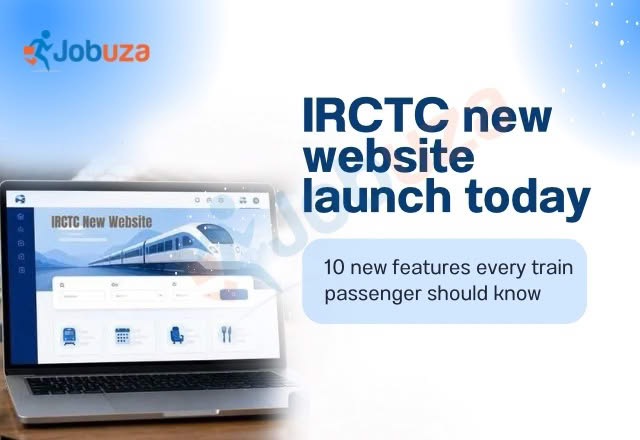
If you’ve ever sat refreshing the IRCTC page during Tatkal hours, watching the loader spin while your ticket slips away, today’s update is for you. IRCTC rolled out its redesigned booking website on July 15, 2026, and it’s built to fix exactly that problem.
This isn’t just a fresh coat of paint. It’s part of a bigger push by Indian Railways to modernize how millions of passengers book train tickets every day, and the changes go well beyond looks: faster processing, smarter fare tools, and a much smoother Tatkal experience are all part of the package.
Why This IRCTC Website Upgrade Was Needed
Anyone who’s tried to book a Tatkal ticket knows the drill: the clock hits the booking window, thousands of people hit “search” at once, and the site buckles. Slow pages, failed payments, seats vanishing before you can confirm- it’s been a familiar frustration for years.
The new IRCTC website was built specifically to handle that crunch. It can now process up to 1.5 lakh bookings per minute, which means far less congestion when everyone’s trying to book at the same time. In practice, that should translate to fewer crashes and a better shot at actually getting the ticket you want during peak hours.
Top 10 New Features of the IRCTC New Website
The new IRCTC website isn’t just a redesign; it’s a rebuild aimed at fixing the exact problems passengers have complained about for years. Here’s what’s changed.
1. Faster Ticket Booking Capacity
The IRCTC website can now handle 1.5 lakh bookings every minute. That means less waiting and fewer crashes when a lot of people book tickets at the same time.
2. Improved Tatkal Booking Experience
Tatkal booking often fails or freezes. On the new IRCTC website, the backend has been strengthened so Tatkal bookings go through more smoothly, with fewer errors.
3. Cleaner Website Interface
The IRCTC website has a simpler, cleaner layout. Searching for trains, choosing seats, and completing your booking now feel easier and less confusing.
4. Fewer CAPTCHA Steps
Nobody enjoyed squinting at distorted letters mid-booking. IRCTC has trimmed down how often CAPTCHA pops up, without loosening security.
5. A Fare Calendar You Can Actually Use
Want to know if traveling a day earlier saves you money? The fare calendar on the new IRCTC website lets you compare prices across dates before you commit, so you’re not booking blind.
Here’s a simpler version of each:
6. Multiple Languages Supported
You can now book tickets in your own regional language, not just English. That makes the site much easier to use for people across India.
7. Easy Train Search
The search is faster now. Just type your route, and you’ll find the right train in seconds.
8. Faster Seat Availability Checks
Checking seat availability used to be slow. Now it loads quickly, so you can plan your trip without waiting around.
9. More Stable Payment Process
Payments go through more smoothly now on the new IRCTC Website. Fewer failed transactions, faster confirmations.
10. Better Performance Overall
The site runs smoothly even during busy times, like festival season, not just during Tatkal hours.
IRCTC Website Built to Handle Peak Booking Traffic
The core problem IRCTC was solving here is one every regular booker has hit: the site works fine most of the time, then falls apart exactly when you need it most, Tatkal windows, festival rushes, long weekends.
With the upgraded infrastructure, the goal is for the platform to hold up even when lakhs of users are on it at the same moment, instead of buckling under the load like before.
IRCTC’s Role in Indian Railways’ Digital Transformation
This isn’t a one-off fix; it’s part of a much bigger push by Indian Railways to bring its digital services up to speed. Interestingly, IRCTC didn’t just flip the switch overnight. The platform went through beta testing with a select group of users, including students, before the nationwide rollout, and the feedback from that round shaped several changes that made it into the final version.
Benefits of the New IRCTC Website for Passengers
So what does all this actually mean if you’re the one booking the ticket?
Faster ticket booking, even when everyone’s rushing at once
A genuinely better shot at getting through Tatkal bookings
Fewer payment failures right at checkout
Quicker searches for trains and routes
Easy fare comparison across travel dates
Faster seat availability checks
Support for multiple regional languages
Smoother navigation from start to finish
More stability during festival rushes and other high-demand periods
An overall better experience, end-to-end
Conclusion
At its core, the new IRCTC website goes after the exact complaints passengers have had for years, slow loading, Tatkal failures, and clunky navigation, and fixes them with actual infrastructure changes, not just a fresh coat of paint. Add in the higher booking capacity, the fare calendar, and multilingual support, and it adds up to a real step forward for anyone who books train tickets on a regular basis.
Got a trip coming up? It might be worth giving the new site a shot on your next booking and seeing the difference for yourself.
FAQs: IRCTC Launches New Website Today
1. Is the new IRCTC website live now?
Yes, the new IRCTC website officially launched on July 15, 2026, and is available to all users right away.
2. Will Tatkal booking be easier on the new IRCTC website?
Yes. The backend has been specifically strengthened to reduce the failures and slowdowns that used to happen during Tatkal booking hours.
3. What is the fare calendar feature on the new IRCTC website?
It’s a tool that shows ticket prices across different travel dates, so you can spot cheaper days to travel before you book.
4. Does the new IRCTC website support regional languages?
Yes, the new IRCTC website now supports multiple regional languages, making it easier for passengers across India to book comfortably.
5. How many bookings can the new IRCTC website handle per minute?
The new IRCTC website can now process up to 1.5 lakh bookings per minute, a major jump from the older system’s capacity.
AI and Python Courses: The Central Board of Secondary Education (CBSE) has launched 19 free online courses for students studying in Classes 8 to 12. The initiative aims to help school students develop practical technology skills alongside their regular studies and prepare them for future careers in the digital world.
The courses have been introduced in partnership with the National Institute of Electronics and Information Technology (NIELIT) through its National Digital University (NDU) platform. Students can enroll in these courses free of cost and learn from the comfort of their homes.
CBSE Introduces Free Technology Courses for Students
With technology becoming an essential part of every industry, CBSE has launched this initiative to provide students with access to skill-based learning at an early stage.
The courses focus on emerging technologies that are currently in high demand across industries. Students can choose subjects based on their interests and complete the courses at their own pace without affecting their school education.
List of Free Online Courses Offered by CBSE
The 19 online courses cover both beginner and advanced-level topics across different technology domains.
Some of the major courses include:
Artificial Intelligence (AI)
Generative AI
Yuva AI for All
Python Programming
Computer Concepts
Cybersecurity
Cloud Computing
Internet of Things (IoT)
Web Designing and Publishing
Additive Manufacturing
3D Printing
ChipCraft
Semiconductor Design
RTL Design
IP Integration
SoC Sign-Off
These courses are designed to provide students with practical knowledge and industry-relevant skills that can be useful for higher education and future careers.
Flexible Learning for School Students
One of the biggest advantages of this initiative is its flexible learning model.
Students can study according to their own schedule without disturbing their regular classes. The online courses are self-paced, allowing learners to complete lessons whenever they have free time.
Some short courses can be completed in as little as 90 minutes, while more detailed programs may require 20 hours or more, depending on the subject.
Who Can Apply?
The free online courses are available for students studying in Classes 8, 9, 10, 11, and 12.
Students interested in technology, coding, artificial intelligence, electronics, or digital skills can take advantage of these programs to build knowledge beyond the school curriculum.
Benefits of These Free CBSE Courses
These courses offer several benefits for students, including:
Learn future-ready technology skills.
Improve coding and programming knowledge.
Gain practical exposure to AI and cybersecurity.
Study from home at your own pace.
Access quality learning without paying any course fee.
Build a strong foundation for higher education and future careers.
The initiative also helps students become familiar with technologies that are widely used in engineering, software development, data science, and the IT industry.
How to Enroll in CBSE Free Online Courses
Students who wish to join these courses can register through the National Digital University (NDU) portal managed by NIELIT.
The registration process is simple and completely online. After signing up, students can select the course of their choice and begin learning immediately from any internet-connected device.
Why These Courses Matter
The demand for professionals with skills in Artificial Intelligence, cybersecurity, cloud computing, and programming continues to grow across industries. Learning these technologies during school can help students stay ahead in academics and improve their career opportunities in the future.
By offering these courses free of cost, CBSE aims to encourage digital learning and equip students with practical skills that complement classroom education.
Conclusion
AI and Python Courses: The CBSE Free Online Courses 2026 initiative provides an excellent opportunity for students in Classes 8 to 12 to learn modern technologies such as Artificial Intelligence, Python, Cybersecurity, Cloud Computing, IoT, and 3D Printing without paying any fee.
With flexible learning schedules, industry-focused content, and online access, these 19 courses can help students strengthen their technical skills and prepare for future academic and career opportunities.