by Jobuza Team | Apr 15, 2026 | BLOG, Trending News
India’s toll collection system has undergone a major shift with new FASTag rules coming into effect from April 10. The government has now moved towards a completely digital toll payment system, making FASTag the primary and most convenient mode of payment across national highways.
Under the updated system, vehicle owners must ensure that their FASTag is active and sufficiently recharged. Failing to do so can lead to higher charges, penalties, and even restrictions on vehicle movement in some cases.
Cash Payments Discontinued at Toll Plazas
As part of the digital push, the National Highways Authority of India has discontinued cash payments at all national highway toll plazas. This move is aimed at reducing traffic congestion, cutting waiting time, and improving transparency in toll collection.
With all lanes now operating digitally, vehicles are expected to pass through toll plazas without stopping, ensuring a smooth travel experience.
What Happens If You Do Not Have a FASTag
If your vehicle does not have a FASTag, you can still make toll payments using digital methods like UPI. However, this comes at an additional cost. You will be charged 1.25 times the standard toll amount, which includes a 25 percent surcharge.
This rule is designed to encourage all vehicle owners to adopt FASTag and avoid delays at toll booths.
Penalty for Low Balance or Blacklisted FASTag
If your FASTag has insufficient balance or is blacklisted, the situation can become more expensive. Entering a FASTag lane under such conditions may require you to pay double the standard toll fee.
In case you fail to make the payment digitally at the toll plaza, an e-notice may be issued. If the payment is not cleared within three days, the amount can be doubled. Continued non-payment beyond 15 days may lead to the vehicle being flagged in the database, which can affect services like ownership transfer or fitness certification.
Impact on Travel and Vehicle Movement
Authorities now have stricter control at toll plazas. Vehicles without valid digital payment methods may be stopped from entering highways or removed from toll lanes. This ensures compliance with the new system and maintains smooth traffic flow.
Updated Toll Charges for 2026-27
Toll charges have also been revised for the financial year 2026-27. Vehicles with an active FASTag will continue to pay the standard toll rate.
The annual FASTag pass for non-commercial vehicles such as cars, jeeps, and vans has increased by ₹75, taking the total cost from ₹3,000 to ₹3,075 starting April 1. This pass is beneficial for frequent travelers who regularly use national highways.
Conclusion
The new FASTag rules make it clear that digital toll payment is now mandatory across India’s highways. Vehicle owners should ensure that their FASTag is active and recharged to avoid penalties and unnecessary delays. Adopting FASTag not only saves money but also ensures a smoother and faster travel experience on highways.
by Jobuza Team | Apr 15, 2026 | BLOG, Trending News
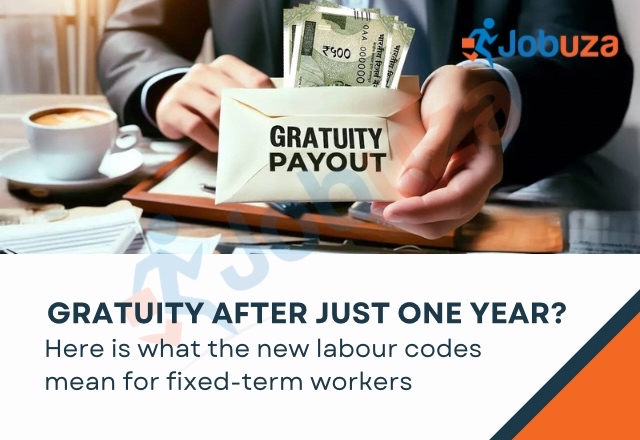
For millions of workers in India’s formal sector, a long-standing concern around gratuity eligibility has finally been addressed. Under the new labour reforms introduced by the Government of India, fixed-term employees can now receive gratuity after completing just one year of continuous service. This marks a major shift from the earlier rule that required at least five years of service.
The new Labour Codes, implemented on 21 November 2025, consolidate 29 existing labour laws into four comprehensive frameworks covering wages, social security, industrial relations, and workplace safety. These changes aim to simplify compliance while improving financial security for workers.
What Has Changed in Gratuity Rules
Earlier, gratuity was governed by the Payment of Gratuity Act, 1972, which mandated a minimum of five years of continuous service to qualify for the benefit. This condition often left out workers on short-term contracts.
Under the new rules, fixed-term employees are now eligible to receive gratuity after just one year of service. The amount will be calculated on a pro rata basis, meaning it will be proportional to the actual duration of employment.
However, the new provision applies only to employees who join on or after 21 November 2025. The rules are not retrospective, so those who were already employed before this date will continue to follow the earlier eligibility criteria.
Who Is Eligible for One-Year Gratuity
The benefit of one-year gratuity is specifically designed for fixed-term employees. These are individuals hired for a defined period under a formal contract, commonly seen in sectors like IT, manufacturing, infrastructure, and retail.
Permanent employees are not covered under this rule and must still complete five years of service to claim gratuity, except in cases of death or disability where different provisions apply.
This targeted approach ensures that workers in contract-based roles, who often switch jobs frequently, are not left without financial protection.
New Wage Definition and Its Impact
Another significant change introduced under the new Labour Codes is the revised definition of wages. According to the new framework, basic wages must account for at least 50 percent of the total salary.
This change prevents companies from reducing statutory payouts by keeping the basic salary low and increasing allowances. As a result, gratuity, provident fund, and bonus calculations will now be based on a higher wage component.
For employees, this means a higher gratuity payout compared to earlier structures where allowances dominated the salary composition.
How Gratuity Is Calculated
The standard formula for calculating gratuity remains unchanged and can be represented as:
Gratuity=15×Last Drawn Wages×Years of Service26\text{Gratuity} = \frac{15 \times \text{Last Drawn Wages} \times \text{Years of Service}}{26}Gratuity=2615×Last Drawn Wages×Years of Service
Here, 26 represents the average number of working days in a month. The maximum gratuity amount is capped at ₹20 lakh for private sector employees.
Why This Change Matters
The introduction of one-year gratuity eligibility for fixed-term workers is a significant step toward improving social security in India’s evolving job market. With more professionals working on contracts or project-based roles, this reform ensures that even short-term employees receive financial benefits.
At the same time, companies may face increased financial liabilities due to higher wage components and broader gratuity coverage. Industry estimates suggest that gratuity obligations could rise substantially for many employers.
Overall, the new labour codes create a more balanced system by extending benefits to a wider section of the workforce while bringing greater transparency to salary structures.
by Jobuza Team | Apr 14, 2026 | BLOG, Trending News
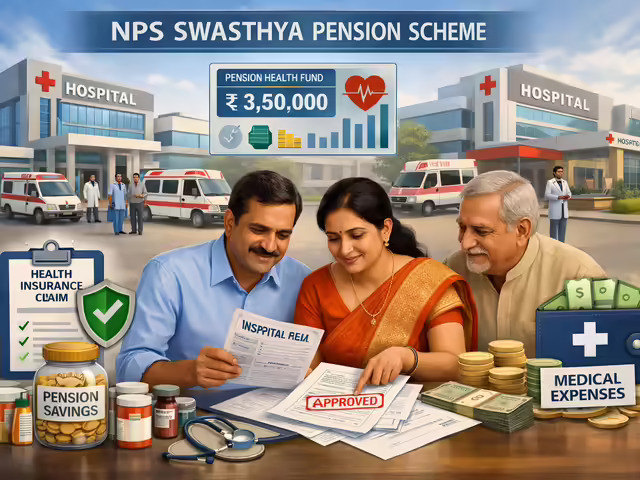
The Pension Fund Regulatory and Development Authority has introduced a new initiative called NPS Swasthya to address one of the biggest concerns after retirement, rising healthcare expenses. This scheme is designed to combine retirement savings with access to medical funds, ensuring financial as well as health security for individuals in their later years.
Launched as part of a Proof of Concept, the scheme aims to make it easier for subscribers to manage medical costs without disturbing their long-term retirement planning.
What is NPS Swasthya
NPS Swasthya is a multi-partner framework that integrates pension savings with healthcare support. It brings together several organizations to provide a smooth and efficient system.
The technology support is provided by Medi Assist Healthcare, while KYC services are handled by CAMS KRA. Pension fund management is undertaken by Tata Pension Fund and Axis Pension Fund. Health insurance coverage, particularly top-up plans, is offered by Aditya Birla Health Insurance.
This integrated setup ensures that subscribers get both financial growth and medical support under a single framework.
Who Can Apply for the Scheme
Any Indian citizen can enroll in the NPS Swasthya scheme. However, it is mandatory for applicants to have a Common Scheme Account linked with the National Pension System. This ensures that the benefits of both pension and healthcare funding can be accessed together.
Why NPS Swasthya is Important
Healthcare costs in India are rising at a fast pace, especially for senior citizens. According to estimates shared by the regulator, medical expenses are expected to grow significantly in the coming years, often outpacing inflation.
This makes it difficult for retirees to manage unexpected medical emergencies without affecting their savings. NPS Swasthya has been introduced to bridge this gap by providing a structured way to access funds for healthcare when needed.
Key Benefits of NPS Swasthya
One of the major advantages of this scheme is the flexibility it offers in withdrawing funds for medical purposes. Subscribers are allowed to withdraw up to 25 percent of their total contributions to cover healthcare expenses during their lifetime.
To make the process easier, the MAven App developed by Medi Assist is integrated with the system. This allows users to access funds quickly and manage claims efficiently.
Full Withdrawal in Case of Serious Illness
In situations where medical expenses exceed the partial withdrawal limit, the scheme allows full withdrawal of the accumulated amount. This is particularly useful in cases of serious illness or hospitalization.
The withdrawn amount is directly transferred to the concerned healthcare administrator or service provider. After the treatment is completed, any unused balance is returned to the subscriber’s account.
Conclusion
NPS Swasthya is a forward-looking initiative that combines retirement planning with healthcare security. By allowing controlled access to funds for medical needs, it ensures that individuals do not have to compromise their financial stability during emergencies. As healthcare costs continue to rise, such integrated schemes can play a crucial role in providing long-term peace of mind for subscribers.
by Jobuza Team | Apr 14, 2026 | BLOG, Trending News
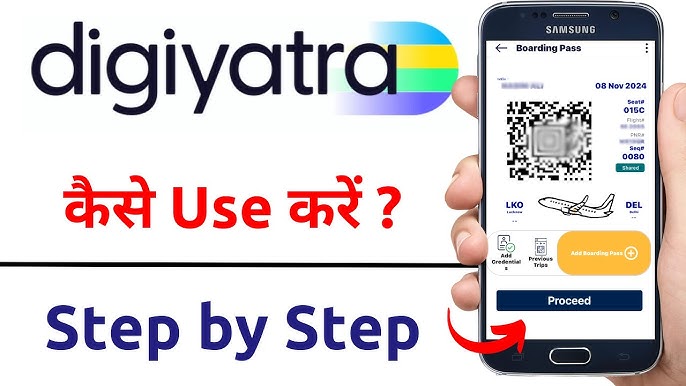
Air travel often comes with long queues, repeated document checks, and time-consuming verification processes. To simplify this experience, the Digi Yatra App has been introduced as a smart solution for passengers. This app enables a seamless, paperless, and contactless journey by allowing travelers to store their identity and boarding details digitally.
If you are planning to travel soon, understanding how this app works can help you save time and avoid unnecessary hassle at the airport.
How to Download and Register on Digi Yatra
To get started, download the Digi Yatra App from the Play Store or App Store on your smartphone. Once installed, open the app and select your preferred language.
You can register using your mobile number. After logging in, you will be required to complete identity verification. This is usually done by entering your Aadhaar details and completing the authentication process. Once verified, your profile is ready to use.
How to Add Your Boarding Pass
After completing registration, the next step is to upload your boarding pass. Inside the app, you will find an option to add your boarding details.
You can either enter the details manually or scan the QR code printed on your boarding pass. Once added, all your travel information will be available within the app. It also keeps a record of your previous journeys, making it easier to track your travel history.
How to Use Digi Yatra at the Airport
Using the app at the airport is simple and efficient. At the entry gate, you need to scan the QR code of your boarding pass using the Digi Yatra system.
The system uses facial recognition technology to verify your identity instantly. Once verified, the e-gates open automatically, allowing you to enter without showing physical documents. The same process can be followed at various checkpoints inside the airport, reducing waiting time significantly.
Key Benefits of Digi Yatra
One of the biggest advantages of the Digi Yatra App is that it makes the entire travel process paperless. You no longer need to carry printed boarding passes or repeatedly show your ID proof.
It is especially helpful for passengers who often forget their documents, as everything is stored digitally. The app also reduces physical contact during verification, making the process more hygienic and safe.
Another major benefit is time-saving. With faster entry and verification through e-gates, passengers can avoid long queues and move quickly through airport procedures.
Conclusion
The Digi Yatra App is transforming the way people travel by making airport processes faster, smarter, and more convenient. With easy registration, simple boarding pass integration, and quick facial verification, it offers a smooth travel experience for modern passengers. As more airports adopt this system, using Digi Yatra can become an essential part of hassle-free air travel in India.

by Jobuza Team | Apr 13, 2026 | BLOG, Trending News
The Supreme Court of India has made an important observation regarding electoral rights, stating that the right to vote and the right to contest elections are not fundamental rights but legal rights. This clarification reinforces a long-standing legal position that these rights exist only as provided under statutory law.
The bench comprising Justice B. V. Nagarathna and Justice R. Mahadevan emphasized that both voting and contesting elections are governed by laws framed by the legislature and can be subject to conditions and limitations.
Understanding the Court’s Observation
According to the Court, the right to vote enables citizens to participate in the democratic process, but it is not a fundamental right guaranteed by the Constitution. Similarly, the right to contest elections is considered a separate and additional right, which can be regulated through eligibility criteria, qualifications, and disqualifications.
The Court reiterated that these rights are dependent on statutory provisions, meaning they can be modified or restricted through laws passed by the government.
Background of the Case
The case is related to election rules governing District Milk Producers’ Cooperative Unions in Rajasthan. These unions function under a structured system established by the Rajasthan Cooperative Societies Act, 2001.
To regulate elections, certain bye-laws were introduced that defined eligibility criteria for candidates. These included requirements such as minimum days of milk supply, quantity of milk delivered, operational status of societies, and audit compliance standards.
Legal Challenge and Court Proceedings
Some primary cooperative societies challenged these bye-laws in the Rajasthan High Court, arguing that the rules were arbitrary and went beyond the scope of the law.
In 2015, a Single Judge of the High Court set aside these bye-laws but allowed elections already conducted under those rules to remain valid. Later, in 2022, a Division Bench upheld this decision.
Following this, the Registrar initiated steps to amend the bye-laws in line with the court’s directions.
Appeal in the Supreme Court
The matter eventually reached the Supreme Court when Chairpersons of several District Milk Unions approached the apex court. Although they were not part of the original High Court proceedings, they argued that the judgment had adversely affected their interests.
While examining the case, the Supreme Court reiterated its earlier position that electoral rights, including voting and contesting elections, are statutory in nature and not fundamental rights.
What This Means
This observation highlights the distinction between constitutional rights and legal rights. While fundamental rights are guaranteed by the Constitution and cannot be easily restricted, legal rights such as voting and contesting elections are governed by laws and can be regulated by the legislature.
The ruling provides clarity on the legal framework surrounding elections and reinforces the authority of lawmakers to set rules and conditions for participation in the electoral process.
Conclusion
The Supreme Court’s observation serves as a significant clarification in constitutional law. By reaffirming that voting and contesting elections are legal rights, the Court has underscored the role of statutory provisions in shaping the electoral system. This decision is expected to have broader implications for election-related laws and policies across the country.
by Jobuza Team | Apr 13, 2026 | BLOG, Trending News
Income Tax Department: Filing an Income Tax Return (ITR) has often been a confusing and time-consuming process for many taxpayers. Frequent changes in rules, multiple forms, and complex compliance requirements make it difficult for individuals to file their returns accurately. To simplify this process, the Income Tax Department has introduced an AI-based assistant called Tax Saathi.
This new initiative aims to make tax filing easier, faster, and more accessible for everyone, especially for first-time filers and small taxpayers.
What is Tax Saathi
Tax Saathi is an AI-powered virtual assistant integrated into the official income tax portal. It acts as a digital guide that helps users with their tax-related queries in real time. Whether it is about filing returns, checking refunds, understanding notices, or handling compliance requirements, the assistant provides instant and clear answers.
Instead of navigating through multiple pages or relying on external help, users can simply ask their questions and receive step-by-step guidance.
Why Tax Saathi Was Introduced
One of the biggest challenges in the tax system has been the lack of clear and simple information. Many taxpayers struggle to understand what needs to be done, when to do it, and how to complete the process correctly.
Tax Saathi has been launched to bridge this gap by providing reliable and easy-to-understand guidance in one place. Its introduction is especially important at a time when the country is transitioning towards the Income Tax Act, 2025, which brings several updates to tax filing procedures.
How Tax Saathi Helps Taxpayers
Tax Saathi simplifies the entire ITR filing process in a practical way. It provides instant responses as soon as a query is raised, saving time and effort. It also explains the filing process step by step, ensuring that users do not miss any important detail.
Another key advantage is its ability to break down complex tax terms into simple language. This makes it easier for individuals without a finance background to understand tax rules and comply with them correctly.
Since the assistant is available at all times, users can access help whenever they need it without depending on customer support or external experts.
Key Features of Tax Saathi
Tax Saathi is fully integrated with the income tax portal, making it easy to access while filing returns. It covers a wide range of topics including ITR filing, refunds, notices, and compliance requirements.
The system includes a large database of frequently asked questions and guidance notes, covering thousands of topics. It also connects users to essential services such as e-filing, challans, online payments, and verification processes, all within a single platform.
Will Tax Saathi Reduce Errors and Penalties
One of the major benefits of Tax Saathi is its ability to guide users and highlight possible mistakes during the filing process. This reduces the chances of errors that often lead to defective returns or penalties.
For new taxpayers and small investors, this tool can be especially useful. By ensuring accurate filing, it helps avoid unnecessary penalties and delays in processing returns.
What This Means for Taxpayers
The launch of Tax Saathi reflects a shift towards a more technology-driven and user-friendly tax system. The focus is not only on compliance but also on helping taxpayers complete their filings correctly and confidently.
For individuals and small businesses, this means a simpler and more efficient way to manage taxes. With fewer errors and better guidance, filing an ITR is expected to become less stressful and more streamlined in the coming years.