by Jobuza Team | May 13, 2025 | BLOG, Highlights, Trending News
Airport New Rules for Dubai: If you’re planning to travel to Dubai in April 2025, there are new airport rules you must follow. The Airport Authority has updated its list of banned items, and carrying any of them could result in a fine or jail time. These rules apply to both cabin baggage and check-in luggage.
Understanding the new regulations is essential to avoid trouble at the airport and ensure a hassle-free journey.
What Items Are Banned in Flights to Dubai?
Under the latest travel guidelines, several items and medicines are now prohibited on flights to Dubai. Here’s a complete list of what you cannot carry:
1. Banned Narcotics and Drugs
2. Prohibited Food and Wildlife Products
-
Betel nut and certain herbal products
-
Ivory items and rhino horn products
-
Three-layered fishing nets
3. Restricted Books and Cultural Items
-
Printed articles, paintings, photographs, and books
-
Stone sculptures or historical artifacts
4. Other Restricted Items
-
Fake currency
-
Homemade food items
-
Non-vegetarian food
Carrying any of these can lead to strict legal action. Travelers may face fines, confiscation of goods, or even imprisonment depending on the severity.
Items Allowed Only with Permission or Fee
Some items can still be carried, but you must get prior permission or pay a required fee. These include:
-
Plants and fertilizers
-
Certain prescribed medicines (with documents)
-
Medical equipment
-
Personal care and cosmetic products
-
Books and electronic devices
-
E-cigarettes, alcohol, and electronic hookahs
Make sure to check with the Dubai customs authority before packing any of these.
List of Medicines You Cannot Carry on Flights to Dubai
There is also a list of banned medicines that passengers are not allowed to carry, even in small amounts:
-
Betamethodol
-
Alpha-methylphenanil
-
Cannabis
-
Codoxime
-
Fentanyl
-
Poppy Straw Concentrate
-
Methadone
-
Oxycodone
-
Trimeperidine
-
Cathinone
-
Codeine
-
Amphetamine
If you’re taking medication, always carry a doctor’s prescription and check whether it’s allowed in Dubai.
Final Reminder: Check Your Bags Before You Travel
Before heading to the airport, check your luggage carefully. Make sure you’re not carrying any restricted items or medicines. Being aware of the rules can save you from unnecessary delays, fines, or legal trouble.
For the latest updates, always refer to the official guidelines issued by Dubai Airport and UAE Customs.
by Jobuza Team | May 12, 2025 | BLOG, Trending News
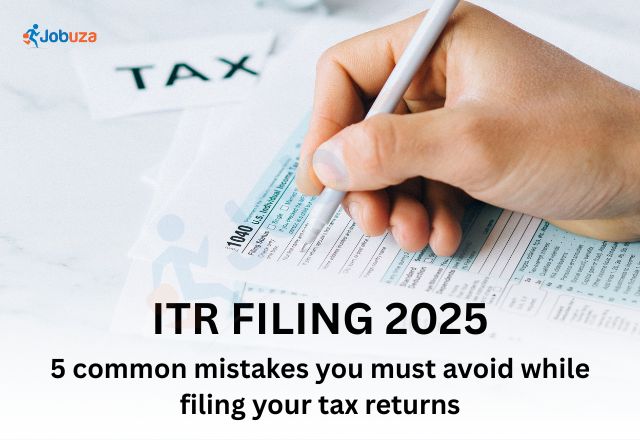
ITR Filing 2025: 5 Common Mistakes to Avoid for a Hassle-Free Tax Return
ITR Filing 2025: Filing your Income Tax Return (ITR) accurately is more than just a financial obligation — it’s a smart way to avoid penalties, tax notices, and delays in refunds. As the assessment year 2025–26 begins, this is the perfect time to organize your financial documents such as salary slips, bank interest certificates, and investment proofs.
However, tax filing isn’t just about completing a form. Many taxpayers, even experienced ones, make small but costly mistakes. Here are the five most common errors you should steer clear of while filing your ITR this year:
1. Missing the ITR Deadline
The deadline to file your ITR for most salaried and individual taxpayers is July 31, 2025. Missing this date can result in a late filing fee of up to Rs 5,000, depending on how late you file. Additionally, you may lose the ability to carry forward certain losses or claim specific tax benefits. Timely filing also ensures a smoother refund process.
2. Choosing the Wrong ITR Form
Selecting the correct ITR form is crucial. Filing with the wrong form can delay processing or even result in your return being rejected.
-
If you are a salaried individual earning up to Rs 50 lakh without capital gains or foreign income, ITR-1 (Sahaj) is usually the right form.
-
If you have multiple properties, capital gains, or income from foreign assets, you will likely need ITR-2 or ITR-3 depending on your income sources.
Always verify the applicable form based on your income structure before filing.
3. Not Reporting All Sources of Income
Every source of income, however minor, needs to be reported. This includes:
-
Interest from savings accounts, fixed deposits, and recurring deposits
-
Dividend income
-
Rental income
-
Capital gains from stocks, mutual funds, or property sales
Even interest from dormant or less-used bank accounts must be disclosed. Omitting income, knowingly or unknowingly, can attract scrutiny and penalties from the Income Tax Department.
4. Ignoring Form 26AS and AIS Before Filing
Form 26AS and the Annual Information Statement (AIS) contain details of TDS (Tax Deducted at Source), advance tax payments, and high-value financial transactions. Comparing these with your ITR before submission is critical.
If there’s any mismatch — such as TDS not reflecting properly or a transaction you don’t recognize — get it resolved before filing. This verification step can save you from unnecessary delays or notices.
5. Failing to Verify Your ITR
Filing your return is not the final step — you must verify it within 30 days of submission. If not verified, the Income Tax Department will treat your ITR as invalid.
The fastest and easiest way to verify is online through Aadhaar OTP, net banking, or EVC (Electronic Verification Code). Skipping this step is one of the most common reasons for ITRs being considered incomplete.
Final Thoughts
Filing your ITR accurately and on time helps maintain a clean financial record and ensures quicker refunds. Avoiding these common mistakes can save you time, money, and potential legal issues.
If you’re unsure about any part of the process, consult a trusted tax advisor or use a government-approved e-filing platform. Being proactive now can help you avoid complications later.
by Jobuza Team | May 9, 2025 | BLOG, Trending News
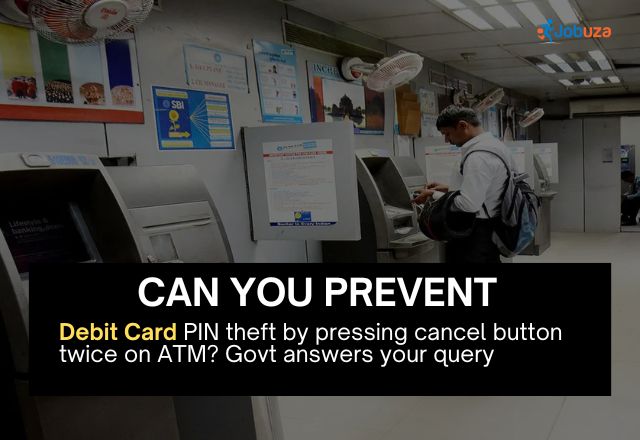
Can Pressing ‘Cancel’ Twice at an ATM Prevent Debit Card PIN Theft? Government Clarifies
Debit Card: A viral message circulating on social media claims that pressing the ‘cancel’ button twice before inserting your debit card into an Automated Teller Machine (ATM) can protect you from PIN theft. The message, falsely attributed to the Reserve Bank of India (RBI), advises users to adopt this method to avoid keypad tampering and safeguard their financial information.
What Does the Viral Message Claim?
The widely shared message reads: A very useful tip while withdrawing money from an ATM. Press ‘cancel’ twice before inserting your card. If someone has tampered with the keypad to steal your PIN, it will get deactivated. Please make this a habit every time you use an ATM.
At first glance, this tip seems like a simple precaution. But is it really effective?
The Truth Behind the Claim
This claim is false and misleading. According to PIB Fact Check, the official fact-checking handle of the Government of India, this message is fake. No such advisory has been issued by the Reserve Bank of India (RBI).
There is no evidence or official guideline from the RBI stating that pressing the ‘cancel’ button twice can deactivate fraud devices or prevent PIN skimming. The government has clarified that this practice does not provide any security benefit and warned the public not to rely on or spread such unverified claims.
RBI Has Not Endorsed This Practice
The RBI has never advised ATM users to press the ‘cancel’ button before inserting their debit card as a safety measure. While it’s always wise to stay vigilant at ATMs, users should follow verified security guidelines issued by their bank or official government channels, rather than relying on social media “hacks” that offer a false sense of protection.
Real ATM Safety Tips You Should Follow
For safe ATM usage, it’s important to follow genuine security advice. According to ICICI Bank, here are some essential precautions:
-
Memorize your PIN. Never write it down or store it with your card.
-
Never share your PIN with anyone—not even friends or family.
-
Protect your PIN entry. Use your hand or body to shield the keypad while entering your PIN to prevent “shoulder surfing.”
-
Avoid accepting help from strangers at the ATM, whether for card use or cash withdrawal.
-
Press the ‘cancel’ button before leaving the ATM to end your session and ensure no one else can access your account.
-
Take your transaction slip and card with you. If you don’t need the slip, shred it to protect your information.
-
Report lost or stolen cards immediately to your bank to block unauthorized transactions.
-
Verify deposits made via ATM by checking your account statement within a few days. Report any discrepancies to your bank promptly.
-
Contact your bank if your card is stuck or cash is not dispensed during a transaction.
-
Raise complaints directly with your bank for any unauthorized ATM, debit, or credit card transactions.
Stay Informed with Verified Information
While the viral message may have been shared with good intentions, spreading unverified advice can lead to a false sense of security and may leave you vulnerable to real threats. Always follow security tips from official sources like the RBI, your bank, or PIB Fact Check.
For accurate information about banking safety and fraud prevention, rely only on trusted channels. Staying alert, informed, and cautious is the best way to protect your financial security.

by Jobuza Team | May 9, 2025 | BLOG, Trending News
Do You Own an Unused Credit Card? Here’s What to Consider Before Closing It
Credit Card- Do you have a credit card that you rarely use? If so, you might be wondering whether it’s better to close the account or keep it open until the right time. Before making a decision, it’s important to understand how closing a credit card can affect your financial profile.
The choice to discontinue a credit card isn’t as straightforward as it may seem. It depends on several factors that work together to impact your credit score and financial flexibility. For instance, closing a card reduces your overall credit limit, which can influence your credit utilisation ratio. This ratio plays a key role in determining your creditworthiness.
Another important point to keep in mind is the potential value of a credit card during unexpected emergencies. Even if you aren’t actively using it, having an available credit line can provide a useful safety net—as long as the annual fees are reasonable.
Additionally, many credit cards come with valuable perks such as discounts, airport lounge access, special events, and exclusive memberships. In such cases, it may be more beneficial to keep the card open to continue enjoying these advantages.
Four Key Factors to Consider Before Closing Your Credit Card
1. Credit Score Impact
One of the most significant effects of closing a credit card is on your credit score, particularly through your credit utilisation ratio (CUR). This ratio measures how much credit you’re using compared to your total credit limit. A lower CUR is generally better for your credit score, ideally staying under 30 to 40 percent.
For example, if you have a total credit limit of ₹10 lakh across two cards of ₹5 lakh each, and you’ve used ₹4 lakh, your CUR stands at 40 percent. If you close one of these cards, your total credit limit drops to ₹5 lakh. This pushes your CUR up to 80 percent, which could negatively impact your credit score.
2. Emergency Preparedness
Even if you don’t use the card regularly, it can serve as a valuable backup in emergencies. Unexpected expenses or financial shortfalls can happen at any time, and having an available credit line can be a crucial resource. Keeping the card active ensures you have this option when needed.
3. Annual Fees
Another factor to weigh is the cost of keeping the card open. If your unused credit card has a low or zero annual fee, it may be worthwhile to keep it. However, if the annual fee is high and the card doesn’t provide sufficient value in return, closing it could be the better choice.
4. Rewards and Special Benefits
Many credit cards offer benefits beyond spending power. These might include reward points, cashback, discounts, access to airport lounges, and invitations to exclusive events. If your card provides such perks, keeping it open may help you maximize these rewards—even if you use the card sparingly.
The Bottom Line
Closing a credit card isn’t just about reducing clutter in your wallet. It’s a decision that can affect your credit score, financial flexibility, and access to valuable perks. Before you decide, consider these four key factors to ensure you’re making the choice that best supports your financial goals.
by Jobuza Team | May 5, 2025 | BLOG, PAN/Aadhar Card Updates, Trending News
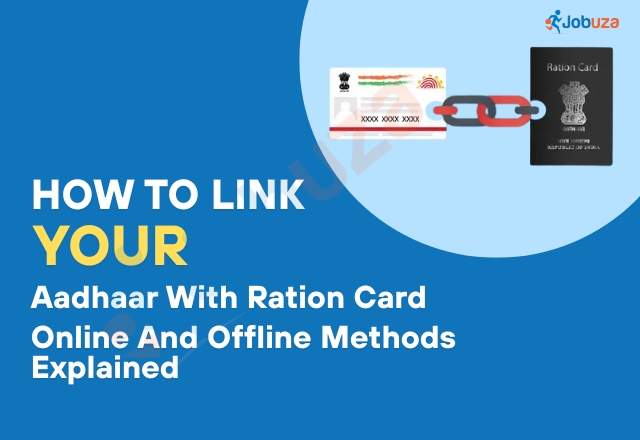
How to Link Aadhaar with Ration Card: Complete Online and Offline Guide
Link Aadhaar- The Government of India has made it mandatory for all ration card holders to complete their e-KYC process. This move is designed to ensure fair distribution of subsidised food grains and prevent misuse or fraud in the public distribution system.
Why Is e-KYC Important for Ration Cards?
e-KYC (Electronic Know Your Customer) is a digital process that verifies the identity of ration cardholders using their Aadhaar details. This verification helps the government ensure that only eligible individuals and families receive the benefits of schemes like subsidised ration. It also plays a critical role in preventing black marketing, fake or duplicate ration cards, and other fraudulent activities.
How to Link Aadhaar with Ration Card: Online Method
Follow these simple steps to complete the Aadhaar-ration card linking process online:
-
Visit your state’s official Aadhaar or Public Distribution System (PDS) website.
-
Enter your Aadhaar number and ration card number.
-
Fill in the required details as per the instructions on the portal.
-
Submit the One-Time Password (OTP) sent to your registered mobile number.
-
Select ‘Ration Card’ as the scheme and click Submit.
-
Once your details are verified, you will receive a confirmation message.
Make sure your mobile number is linked to your Aadhaar card to receive the OTP.
How to Link Aadhaar with Ration Card: Offline Method
If you prefer to complete the process offline, follow these steps:
-
Visit your nearest Public Distribution System (PDS) center or ration shop.
-
Carry photocopies of the following documents:
-
Aadhaar cards of all family members
-
Ration card
-
Bank passbook (only if your Aadhaar is not linked to your bank account)
-
Passport-sized photographs of the head of the family
-
Submit the documents at the counter.
-
Complete the biometric verification process at the center.
After successful verification, you will receive an SMS or email notification confirming that the Aadhaar-ration card linking is complete.
Final Tips
-
Ensure that all family members’ Aadhaar details are updated and correct.
-
Check your mobile number is active and linked to Aadhaar for smooth OTP verification.
-
Keep a copy of the acknowledgment receipt for your records when linking offline.
By completing this process, you help make sure government benefits reach the right hands, improving transparency and fairness in the system.
by Jobuza Team | May 3, 2025 | BLOG, Trending News
Who Is Exempt from Filing Income Tax Returns? Know the Rules and Eligibility
As the new financial year begins, the Income Tax Return (ITR) filing season is in full swing. While most salaried employees, freelancers, and business owners are busy preparing their tax documents, not everyone is required to file an ITR. The Income Tax Department provides exemptions to certain categories of taxpayers, reducing the burden of paperwork and compliance under specific conditions.
Who Needs to File Income Tax Returns?
According to the Income Tax Act, anyone whose annual income exceeds the basic exemption limit must file an ITR. For the current financial year, this exemption limit varies based on the taxpayer’s age and the type of income they earn. Whether you are salaried or self-employed, if your income crosses the prescribed threshold, filing an ITR becomes mandatory.
However, the law also allows specific exemptions, meaning some individuals can skip filing returns under certain conditions.
Who Is Exempt from Filing ITR?
A major exemption under the Income Tax Act applies to senior citizens aged 75 years or older. If their income comes only from two sources—pension and interest earned from savings or fixed deposits in the same bank—they are not required to file an ITR.
This exemption aims to simplify tax compliance for elderly individuals who rely solely on pension payments and bank interest. However, it’s important to note that the pension and interest must be credited to the same bank account for the exemption to apply.
To claim this benefit, eligible senior citizens must submit Form 12BBA to their bank. This form serves as an income declaration and enables the bank to deduct the appropriate tax at source (TDS) on both pension and interest income.
Once the form is submitted and the bank deducts the correct TDS, these senior citizens are no longer required to file an ITR—provided they have no other sources of income.
Why Filing ITR Is Still Recommended
Even if you fall below the taxable income limit, filing an ITR has several advantages. Many taxpayers choose to file returns to claim refunds on excess TDS, establish a financial record, or support applications for visas, loans, and government benefits.
For senior citizens eligible for exemption, submitting Form 12BBA and ensuring the bank deducts the correct tax offers peace of mind. However, they should still evaluate whether filing an ITR could help with other financial or legal requirements.
Final Word
If you or your family members fall under this exemption category, carefully check your eligibility and complete the necessary steps on time. The Income Tax Department’s provision for senior citizens is a thoughtful step toward easing tax compliance for those with limited and predictable income sources.