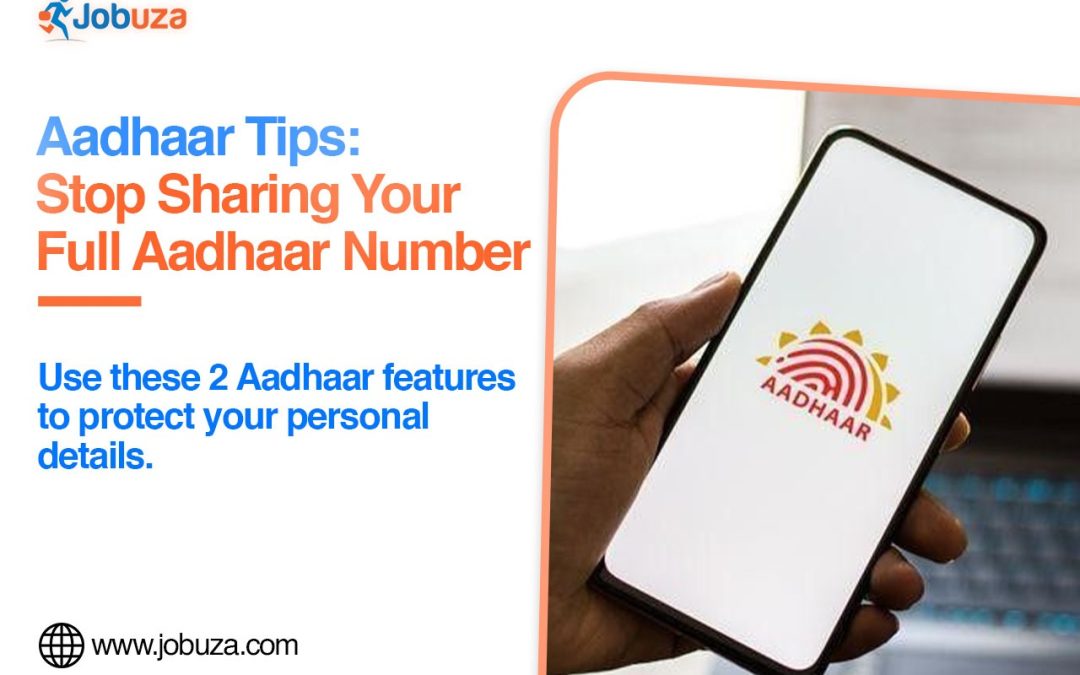
Aadhaar has become an important identity document for banking, government services, authentication and digital verification in India. But that does not mean you should automatically share a photocopy or your complete 12-digit Aadhaar number whenever someone asks for identification.
UIDAI provides several security features that can help Aadhaar holders limit unnecessary exposure of their Aadhaar details.
Two useful options are Masked Aadhaar and Virtual ID (VID). UIDAI also provides features such as biometric locking and Aadhaar authentication history to give users more control over their Aadhaar security.
What Is Masked Aadhaar?
Masked Aadhaar is an electronic version of Aadhaar in which the first eight digits of the 12-digit Aadhaar number are hidden.
Only the last four digits remain visible.
For example, instead of showing:
1234 5678 9012
a Masked Aadhaar would display:
XXXX XXXX 9012
This can be useful when an organisation needs to see your Aadhaar document but does not require the complete Aadhaar number.
UIDAI currently provides a free option to download Masked Aadhaar through its official MyAadhaar services. Mobile OTP authentication is required.
Why Use Masked Aadhaar?
Before sharing a complete Aadhaar copy, check whether the organisation accepts a Masked Aadhaar.
Using it can help reduce the unnecessary sharing of your full Aadhaar number.
However, whether Masked Aadhaar is acceptable depends on the specific service and its requirements.
What Is Virtual ID or VID?
Virtual ID (VID) is a temporary 16-digit number that can be used instead of your Aadhaar number for supported authentication services.
The main advantage is that you can use the VID where supported without directly providing your actual Aadhaar number.
UIDAI lists Generate Virtual ID as an Aadhaar security service and currently provides the facility through its official services.
If you generate a new VID, the previous VID becomes invalid under the applicable UIDAI system.
When Can You Use VID?
If a bank, service provider or other organisation offers Aadhaar authentication using VID, you can consider using the VID instead of directly sharing your Aadhaar number.
Keep in mind that not every organisation or service may support VID, so always check the authentication options available for the particular service.
Masked Aadhaar vs VID: What’s the Difference?
The two features serve different purposes.
Feature
Masked Aadhaar
Virtual ID
Format
Aadhaar document
16-digit temporary ID
Aadhaar number shown
Only last 4 digits
Actual Aadhaar number is not shared
Main use
Sharing an Aadhaar document
Supported authentication/e-KYC
Availability
UIDAI services
UIDAI services
OTP required
Yes
Yes
The right option depends on what the organisation actually requires.
Another Aadhaar Security Feature: Lock Your Biometrics
UIDAI also provides a Biometric Lock/Unlock facility.
When biometric locking is enabled, Aadhaar authentication using biometric modalities such as fingerprint, iris and face is restricted. UIDAI says the facility is intended to strengthen the privacy and confidentiality of Aadhaar biometric data.
You can temporarily unlock your biometrics when biometric authentication is required.
This can be particularly useful if you do not regularly need biometric authentication.
How to Download Masked Aadhaar
Downloading a Masked Aadhaar is relatively simple.
Steps to download Masked Aadhaar:
Visit the official UIDAI/MyAadhaar website.
Choose the Aadhaar download option.
Enter the required Aadhaar details.
Complete OTP verification using your registered mobile number.
Select the Masked Aadhaar option, where available.
Download the electronic copy.
Always use UIDAI’s official website or official Aadhaar services instead of websites claiming to provide Aadhaar services.
How to Generate a Virtual ID
You can generate a VID through UIDAI’s Aadhaar services.
After completing the required authentication, UIDAI generates a 16-digit Virtual ID associated with your Aadhaar.
The VID can then be used for supported authentication services instead of directly revealing your Aadhaar number.
If you generate a new VID, the earlier VID becomes invalid according to the applicable UIDAI system rules.
Never Share Your Aadhaar OTP
Your Aadhaar OTP is an important part of online authentication.
Never share an OTP with someone simply because they claim to be calling from:
A bank
UIDAI
A government department
A courier company
A telecom company
Another service provider
If someone asks you to tell them an Aadhaar OTP over the phone, treat it as a potential fraud warning.
Enter the OTP only on the official website or application where you personally initiated the transaction.
Check Your Aadhaar Authentication History
If you are worried that someone may have used your Aadhaar for authentication without your knowledge, UIDAI provides an Authentication History facility.
This allows Aadhaar holders to review authentication activity associated with their Aadhaar. UIDAI also provides authentication-history functionality through its Aadhaar services and Aadhaar App.
If you notice an authentication transaction that you do not recognise, use UIDAI’s official grievance and support channels rather than responding to an unknown caller or message.
Do You Really Need to Share Your Full Aadhaar?
One simple security habit is to stop treating a full Aadhaar photocopy as the default identity document for every situation.
Before sharing Aadhaar, ask what the organisation actually requires:
Full Aadhaar
Masked Aadhaar
Virtual ID
Another officially accepted identity document
The correct option will depend on the particular service and its authentication requirements.
Quick Aadhaar Safety Checklist
Keep these Aadhaar security tips in mind:
Use Masked Aadhaar when a full Aadhaar number is not required.
Use VID when the service supports Virtual ID authentication.
Never share your Aadhaar OTP with anyone.
Consider locking your biometrics when you do not need biometric authentication.
Download Aadhaar only through official UIDAI services.
Avoid sending Aadhaar documents to unknown WhatsApp numbers or email addresses.
Check your Aadhaar authentication history if you suspect unauthorised activity.
Be cautious when an unknown person urgently asks for your Aadhaar details or OTP.
FAQs
Is Masked Aadhaar safe to use?
Masked Aadhaar hides the first eight digits of your Aadhaar number and displays only the last four digits. It can help reduce unnecessary exposure of the full Aadhaar number when the organisation accepts it.
What is a 16-digit Virtual ID?
A Virtual ID, or VID, is a temporary 16-digit number provided by UIDAI that can be used instead of the Aadhaar number for supported authentication services.
Can I use VID everywhere instead of Aadhaar?
No. VID can be used where the particular authentication service supports it. You should check the requirements of the organisation or service.
Should I share my Aadhaar OTP with a bank employee?
You should not disclose your Aadhaar OTP to another person over a call or message. Enter OTPs yourself on the official service where you initiated the transaction.
Can I lock my Aadhaar biometrics?
Yes. UIDAI provides a biometric lock/unlock facility. When biometrics are locked, biometric authentication using the supported biometric modalities is restricted.
How can I check whether my Aadhaar was used?
UIDAI provides an Aadhaar Authentication History service that allows users to review authentication activity.
Conclusion
Your Aadhaar number is an important identity credential, so it is worth being careful about where and how you share it.
Instead of automatically sending a complete Aadhaar copy, check whether Masked Aadhaar or Virtual ID is accepted for the service you are using.
You can also strengthen your Aadhaar security by using biometric locking, checking authentication history and protecting your OTP.
Most importantly, use only official UIDAI services for downloading Aadhaar, generating VID and managing your Aadhaar security settings.
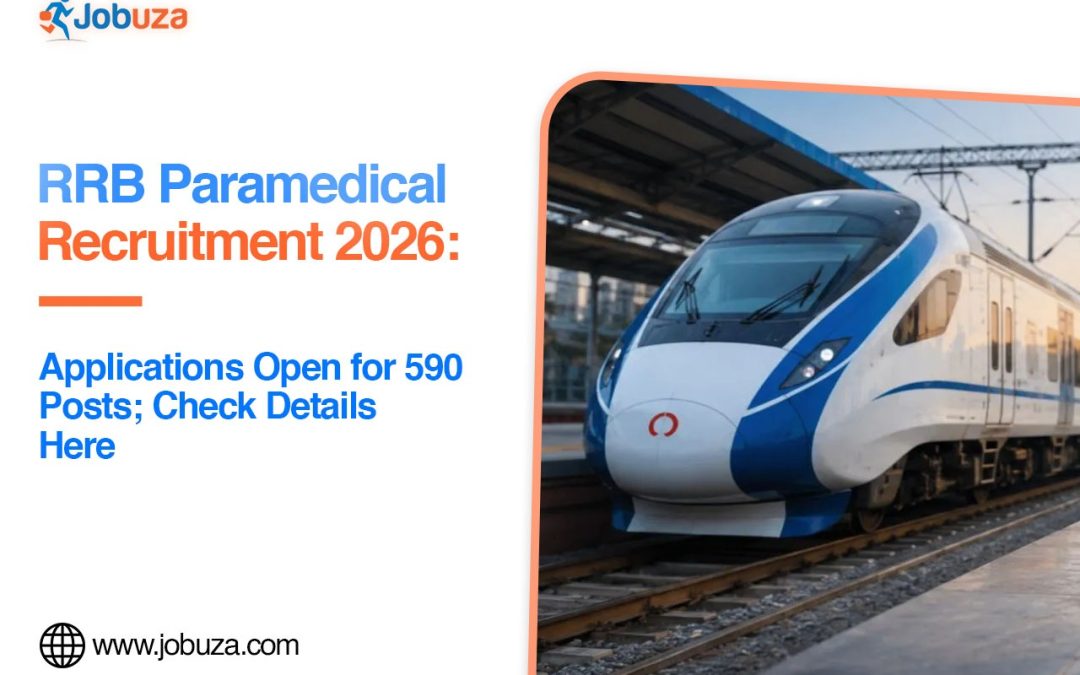
The Railway Recruitment Boards (RRBs) have started the online application process for RRB Paramedical Recruitment 2026 under CEN 05/2026. This drive covers 590 vacancies across nine paramedical categories, including Nursing Superintendent, Pharmacist (Entry Grade), Health & Malaria Inspector Grade II, Radiographer/X-Ray Technician, Lab Assistant Grade II, and ECG Technician.
The indicative notice came out on September 12, 2026, followed by the detailed notification on September 14, 2026. Applications opened on September 15, 2026, and eligible candidates can apply until October 14, 2026, up to 11:59 PM. The last date to pay the application fee is October 16, 2026.
RRB Paramedical Recruitment 2026: Highlights
Particular
Details
Recruitment Board
Railway Recruitment Boards
Ministry
Ministry of Railways
CEN
05/2026
Total vacancies
590
Number of categories
9
Application mode
Online
Application begins
September 15, 2026
Last date to apply
October 14, 2026
Last date for fee payment
October 16, 2026
Modification window
October 17–26, 2026
Scribe details submission
October 27–31, 2026
CBT date
To be announced
Official application portal
rrbapply.gov.in
RRB Paramedical Vacancy 2026: Post-Wise Details
The 590 vacancies are spread across nine paramedical categories. Nursing Superintendent has the biggest share with 365 posts, followed by Pharmacist (Entry Grade) with 118 posts.
Post
Vacancies
Initial Pay
Nursing Superintendent
365
₹44,900
Pharmacist (Entry Grade)
118
₹29,200
Health & Malaria Inspector Grade II
43
₹35,400
Lab Assistant Grade II
31
₹21,700
Radiographer/X-Ray Technician
25
₹29,200
ECG Technician
4
₹25,500
Optometrist
2
₹25,500
Dialysis Technician
1
₹35,400
Audiologist & Speech Therapist
1
₹35,400
Total
590
—
These vacancies are provisional and subject to the conditions mentioned in the recruitment notification.
RRB Paramedical Recruitment 2026: Important Dates
Event
Date
Indicative Notice
September 12, 2026
Detailed Notification
September 14, 2026
Application begins
September 15, 2026
Last date to apply
October 14, 2026
Last date for fee payment
October 16, 2026
Modification window
October 17–26, 2026
Scribe details submission
October 27–31, 2026
CBT
To be announced
The CBT date hasn’t been announced yet in the current recruitment schedule.
RRB Paramedical Recruitment 2026: Application Fee
The fee depends on the candidate’s category. Candidates in the ₹500 fee category can get a ₹400 refund after appearing in the first-stage CBT, after applicable bank charges. Those in the concession categories who pay ₹250 are eligible for a full ₹250 refund after appearing in the first-stage CBT, subject to the notification’s conditions.
Before you pay, check CEN 05/2026 for the complete category-wise fee and refund details.
RRB Paramedical Recruitment 2026: Eligibility
Eligibility differs from post to post. Candidates need the prescribed educational qualification and, where applicable, professional registration by the required date.
For example, the Nursing Superintendent post has an age range of 20–40 years, while the Pharmacist (Entry Grade) post has an age range of 20–35 years. So don’t assume one age limit applies to all 590 vacancies.
Qualifications also vary by post, so read the post-specific eligibility conditions in the official CEN carefully before you apply.
RRB Paramedical Recruitment 2026: Selection Process
The selection process includes a Computer-Based Test (CBT), followed by Document Verification and a Medical Examination, as applicable under the recruitment rules.
For the exact exam scheme, marking system, and post-specific requirements, rely on the detailed CEN 05/2026 notification rather than unofficial recruitment websites.
How to Apply for RRB Paramedical Recruitment 2026
Visit the official RRB application portal.
Select CEN 05/2026 – Paramedical Categories.
Complete the registration process.
Enter your personal and educational details.
Choose the post you’re eligible for, along with any other required preferences.
Upload the required documents, photograph, and signature.
Pay the applicable application fee.
Review your application carefully.
Submit the form and save a copy for future reference.
Make sure you finish your application before October 14, 2026, 11:59 PM.
Bottom line
RRB Paramedical Recruitment 2026 offers 590 paramedical vacancies under CEN 05/2026, and applications are open from September 15 to October 14, 2026. Before you submit, go through the official notification for post-wise qualifications, age limits, fees, medical standards, and other conditions.
FAQs
How many vacancies are available in RRB Paramedical Recruitment 2026?
The RRBs have announced 590 vacancies across nine paramedical categories.
What is the last date to apply?
The last date to submit the application is October 14, 2026, up to 11:59 PM.
How many Nursing Superintendent posts are available?
There are 365 Nursing Superintendent vacancies.
What is the initial pay for Nursing Superintendent?
The initial pay is ₹44,900 under Pay Level 7.
How many Pharmacist vacancies are available?
There are 118 Pharmacist (Entry Grade) vacancies, with an initial pay of ₹29,200.
When will the RRB Paramedical CBT be held?
The CBT date hasn’t been announced yet.
Where can candidates apply?
Candidates can apply through the official RRB application portal at rrbapply.gov.in.
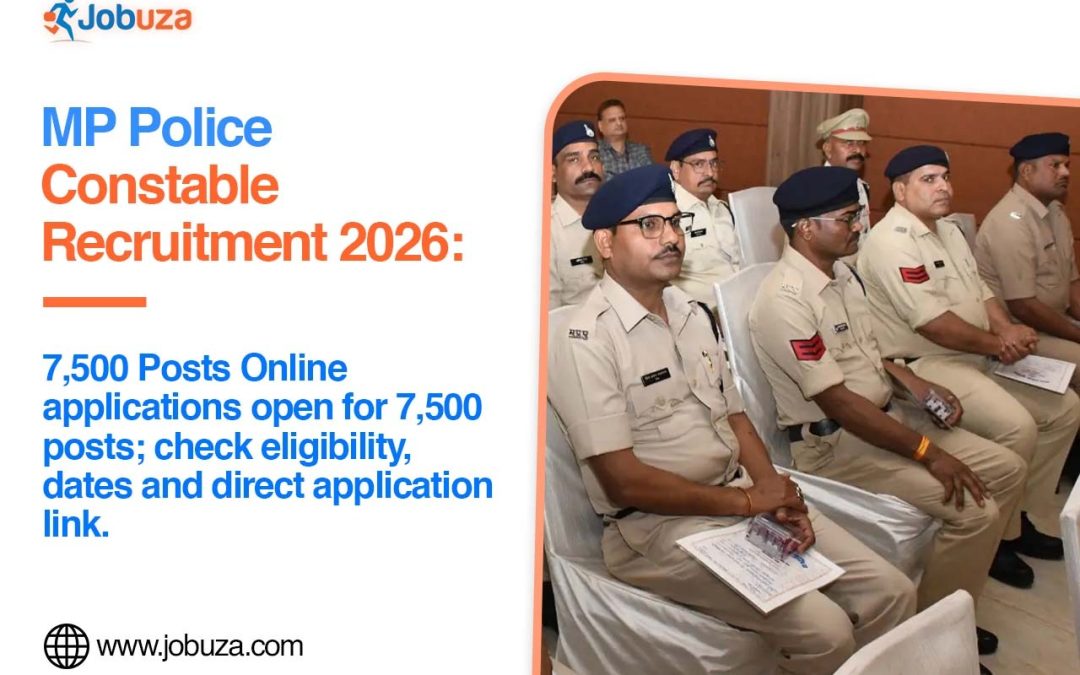
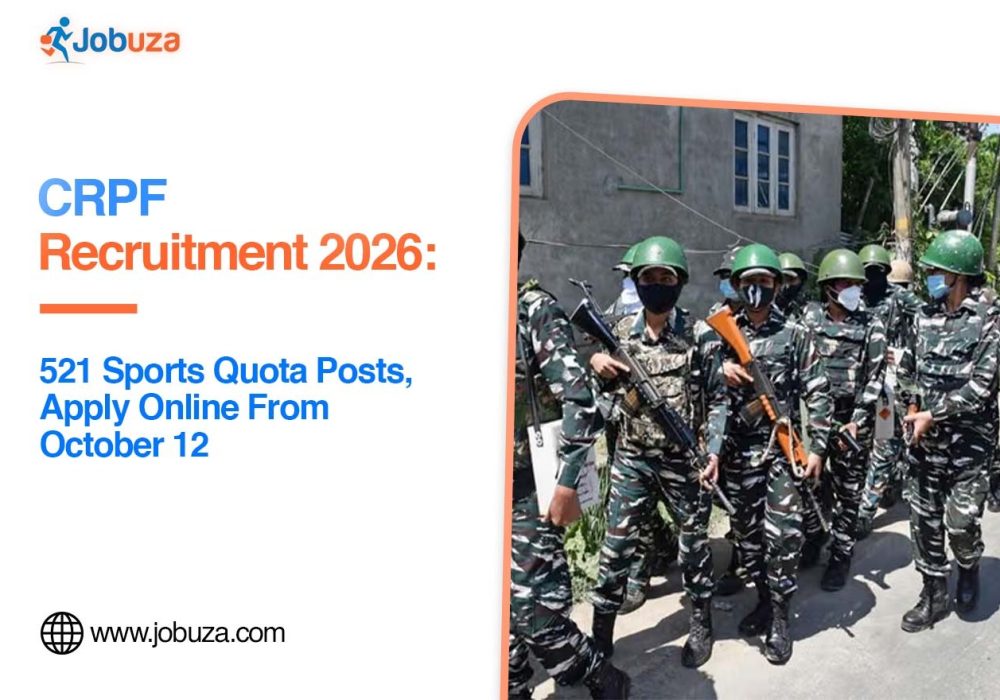
MP Police Constable Recruitment 2026: The Madhya Pradesh Employees Selection Board (MPESB) has started the online application process for the recruitment of 7,500 Constable (General Duty) posts under the Home (Police) Department, Government of Madhya Pradesh. The application process began on September 22, 2026, and eligible candidates can apply online through the official website, esb.mp.gov.in, until October 6, 2026.
The recruitment drive includes vacancies in the Special Armed Force (SAF) and Non-SAF cadres. Candidates should check the eligibility criteria, age limit, application fee and selection process before submitting their applications.
The MPESB has opened the online application window for 7,500 Constable (General Duty) vacancies. Candidates who meet the prescribed eligibility requirements can submit their applications through the official MPESB portal.
The application process started on September 22, 2026, and the last date to apply is October 6, 2026. Candidates will also be able to make corrections to their submitted applications until October 11, 2026.
The MP Police Constable examination is scheduled to be conducted on November 19, 2026.
How to Apply for MP Police Constable Recruitment 2026
Eligible candidates can complete the MP Police Constable application form online by following these steps:
Visit the official MPESB website at esb.mp.gov.in.
Find the link for the Police Constable Recruitment Test (PCRT) 2026.
Complete the candidate profile registration if you have not registered earlier.
Verify the required details using your Aadhaar number.
Fill in the application form with your personal and educational details.
Upload the required photograph, signature and educational documents.
Pay the applicable application fee through the available payment mode.
Review the application form carefully before submitting it.
Submit the form and save or download a copy for future reference.
Candidates should ensure that all information entered in the application form is correct. Any discrepancy in the details may create problems during later stages of the recruitment process.
MP Police Constable Application Fee 2026
Candidates applying for the MP Police Constable Recruitment 2026 are required to pay the prescribed application fee. The fee varies depending on the candidate’s category and whether the candidate belongs to Madhya Pradesh or another state.
The application fee details are as follows:
UR candidates and candidates from other states: Rs. 500 examination fee + Rs. 60 kiosk charge + Rs. 20 self-login charge.
SC, ST and OBC candidates of Madhya Pradesh domicile: Rs. 250 examination fee + Rs. 60 kiosk charge + Rs. 20 self-login charge.
Candidates should complete the fee payment within the application period.
Candidates must meet the prescribed educational qualification and age requirements to apply for the MP Police Constable post. The eligibility criteria may vary according to the candidate’s category.
Educational Qualification
Candidates belonging to the General, SC and OBC categories should have passed Class 10 under the 10+2 system or an equivalent examination from a recognised board.
For candidates belonging to the ST category, the minimum educational qualification is Class 8 or an equivalent examination from a recognised board.
Candidates are also required to have a valid live registration with the MP Employment Exchange (Rojgar Karyalaya) as specified in the recruitment requirements.
MP Police Constable Age Limit 2026
The minimum age required to apply for the MP Police Constable Recruitment 2026 is 18 years. The upper age limit varies according to gender and category.
The age will be calculated as on October 6, 2026.
Minimum age: 18 years
Maximum age for male UR and EWS candidates: 33 years
Maximum age for female, SC, ST and OBC candidates: 38 years, including applicable age relaxation
Candidates should check the official notification for detailed age-relaxation provisions applicable to specific categories.
MP Police Constable Vacancy 2026
MPESB has announced a total of 7,500 Constable (General Duty) vacancies. These posts are distributed across the Special Armed Force and Non-Special Armed Force cadres.
The vacancy distribution is as follows:
Cadre
Number of Posts
Eligibility
Special Armed Force (SAF)
700
Male candidates
Non-SAF
6,800
Male and Female candidates
Total
7,500
—
Candidates should check the official vacancy details before applying because the eligibility and other conditions can vary depending on the cadre.
MP Police Constable Recruitment 2026 Selection Process
The selection process for MP Police Constable Recruitment 2026 will consist of multiple stages. Candidates will first have to qualify in the written examination.
Those who meet the required criteria will proceed to the subsequent stages, which include the Physical Efficiency Test (PET), Physical Measurement Test (PMT), document verification and medical examination.
The final selection will be made according to the rules and conditions specified by MPESB in the recruitment notification.
MP Police Constable Exam Date 2026
According to the recruitment schedule, the MP Police Constable examination will be conducted on November 19, 2026.
The exam will be held in two shifts:
Shift
Exam Timing
Morning Shift
10:00 AM to 12:00 PM
Afternoon Shift
3:00 PM to 5:00 PM
Candidates should reach their examination centre according to the reporting instructions mentioned on their admit card.
MP Police Constable Recruitment 2026: Important Dates
Candidates should keep track of the following dates to avoid missing any important deadline:
Event
Date
Online Application Begins
September 22, 2026
Last Date to Apply
October 6, 2026
Application Correction Ends
October 11, 2026
Written Examination
November 19, 2026
MP Police Constable Recruitment 2026: What Candidates Should Know
The MP Police Constable Recruitment 2026 is being conducted to fill 7,500 Constable (General Duty) posts in the Madhya Pradesh Police. The online application process is already underway and will close on October 6, 2026.
Candidates who meet the prescribed educational and age requirements should complete their applications before the deadline. Before submitting the form, applicants should carefully verify their personal details, educational information and uploaded documents.
Candidates should also keep checking the official MPESB website for updates related to the admit card, examination, results and subsequent stages of the selection process.
IBPS Hindi Officer Recruitment 2026: The Institute of Banking Personnel Selection (IBPS) has released the official notification for the recruitment of a Hindi Officer on a regular basis. The notification was published on September 23, 2026, and the online application process has also started.
Eligible candidates can apply online through the official IBPS website, ibps.in, until October 6, 2026. The selected candidate will be appointed to the IBPS office in Mumbai.
Candidates interested in the post should carefully check the eligibility criteria, selection process, application dates and other details before submitting the application form.
IBPS Hindi Officer Recruitment 2026: Key Highlights
The IBPS Hindi Officer recruitment offers an opportunity for eligible candidates to join the Institute of Banking Personnel Selection on a regular basis. The recruitment is being conducted through direct selection.
Here are the important details of the IBPS Hindi Officer Recruitment 2026:
Particulars
Details
Recruiting Organisation
Institute of Banking Personnel Selection (IBPS)
Post Name
Hindi Officer
Advertisement No.
IBPS/2026-27/04
Notification Date
September 23, 2026
Application Start Date
September 23, 2026
Last Date to Apply
October 6, 2026
Employment Type
Regular
Job Location
Mumbai
Selection Process
Online Examination, Skill Test & Item Writing Exercise, Group Exercises and Personal Interview
Application Mode
Online
Official Website
ibps.in
IBPS Hindi Officer Notification 2026 Released
IBPS has released the detailed notification for the Hindi Officer recruitment on its official website. The notification provides information about the eligibility requirements, application process, selection procedure, salary and other conditions related to the post.
Candidates should read the complete notification before applying. Checking the official eligibility requirements is important because candidates who do not meet the prescribed conditions may not be considered for the recruitment process.
The online application process for IBPS Hindi Officer Recruitment 2026 started on September 23, 2026. Eligible candidates can submit their applications through the IBPS recruitment portal.
The last date to complete the online application is October 6, 2026. Candidates should submit their forms before the deadline rather than waiting until the final day.
How to Apply for IBPS Hindi Officer Recruitment 2026
Candidates can apply for the IBPS Hindi Officer post online by following these steps:
Visit the official IBPS website at ibps.in.
Go to the Careers section on the homepage.
Find the recruitment link for the Hindi Officer post.
Click on the Apply Online link.
If already registered, log in using your registration number, password and security code.
Enter the required personal, educational and other details in the application form.
Upload the documents and photograph or other details as specified in the notification.
Pay the applicable application fee through the available online payment options.
Check all the details carefully before submitting the application.
Submit the form and save or download a copy for future reference.
Candidates should make sure that the information entered in the application form matches their official documents.
IBPS Hindi Officer Recruitment 2026: Selection Process
The selection process for the IBPS Hindi Officer post includes multiple stages. According to the recruitment notification, candidates will have to appear for an Online Examination, followed by the Skill Test and Item Writing Exercise, Group Exercises and Personal Interview.
Candidates who qualify at the required stages will proceed further in the recruitment process. The final selection will be made according to the conditions and criteria prescribed by IBPS.
IBPS Hindi Officer Recruitment 2026: Application Fee
Candidates applying for the IBPS Hindi Officer post are required to pay the application fee through online mode.
The application fee is Rs. 1,000 for candidates, irrespective of their category. Applicants should complete the fee payment within the prescribed application period for their application to be considered complete.
IBPS Hindi Officer Recruitment 2026: Job Location
The Hindi Officer selected through this recruitment will be posted at the IBPS office in Mumbai. Candidates should take the job location into account before applying for the post.
The post is being offered on a regular basis, making it an opportunity for candidates who meet the prescribed educational and other eligibility requirements.
IBPS Hindi Officer Recruitment 2026: Important Dates
Candidates should keep track of the important dates related to the recruitment to avoid missing the application deadline.
Event
Date
Notification Released
September 23, 2026
Online Application Begins
September 23, 2026
Last Date to Apply
October 6, 2026
Last Date for Fee Payment
October 6, 2026
IBPS Hindi Officer Recruitment 2026: Important Points
Candidates interested in the IBPS Hindi Officer post should read the official notification carefully before submitting the application. The application window is open from September 23 to October 6, 2026, and applications must be submitted online.
Applicants should also keep a copy of the completed application form, payment receipt and other relevant documents for future reference. Any updates regarding the recruitment, examination and subsequent selection stages should be checked on the official IBPS website.
With the notification now released, eligible candidates should complete the application process within the prescribed deadline and ensure that all details and documents submitted in the form are accurate.
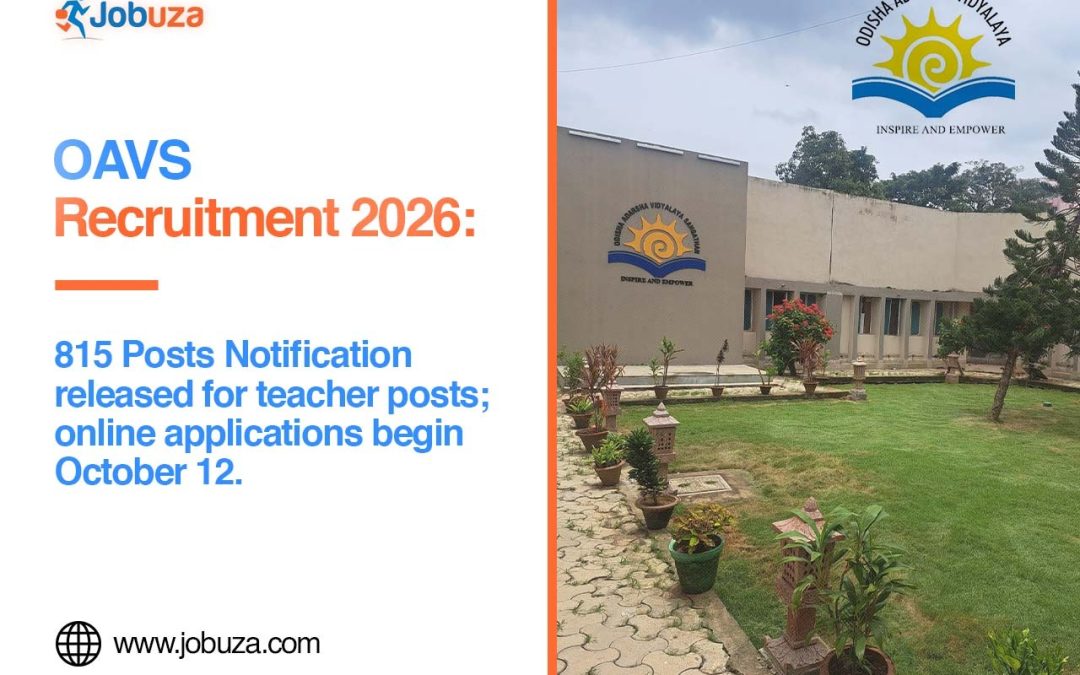
OAVS Teacher Recruitment 2026: The Odisha Adarsha Vidyalaya Sangathan (OAVS) has released the notification for the recruitment of Principals and Teachers in Odisha Adarsha Vidyalayas (OAVs) and Odisha Mining Adarsha Vidyalayas (OMAVs). A total of 815 vacancies have been announced under Advertisement No. 01/2026.
The OAVS recruitment drive is an opportunity for candidates looking to build a career in the teaching sector in Odisha. The online application process will begin on October 12, 2026, and eligible candidates can submit their applications until November 11, 2026, up to 5:00 PM.
Candidates interested in these posts should carefully check the official notification for details about eligibility, vacancies, selection process, application dates and other requirements before applying.
OAVS Recruitment 2026: Key Highlights
The OAVS Teacher Recruitment 2026 covers various Principal and Teacher positions in OAVs and OMAVs across Odisha. Here are the important details candidates should know:
Particulars
Details
Recruiting Authority
Odisha Adarsha Vidyalaya Sangathan (OAVS)
Recruitment
OAVS Teacher Recruitment 2026
Advertisement Number
01/2026
Posts
Principals and Teachers
Total Vacancies
815
Application Mode
Online
Application Start Date
October 12, 2026
Last Date to Apply
November 11, 2026
Last Time to Apply
5:00 PM
Selection Process
CBT, Interview and Performance Test
Official Website
oav.edu.in
OAVS Teacher Notification 2026 Released
OAVS has released the official recruitment notification for 815 Principal and Teacher posts. The notification contains important information about the recruitment process, including the number of vacancies, application schedule and other details.
Candidates should read the official notification carefully before applying. It is important to check the post-wise eligibility criteria and other requirements to ensure that the candidate meets the prescribed conditions.
Candidates can download the OAVS Teacher Recruitment 2026 notification from the official OAVS website by following these steps:
Visit the official website, oav.edu.in.
Open the Recruitment section on the homepage.
Look for the link titled “Indicative Advertisement No. 01/2026 for Recruitment of Principals & Teachers in OAV & OMAV.”
Click on the notification link.
The recruitment notification PDF will appear on the screen.
Download the PDF and keep a copy for future reference.
Candidates should go through the complete notification before filling out the application form.
OAVS Teacher Recruitment 2026: Application Dates
The online application process for OAVS Principal and Teacher Recruitment 2026 will begin on October 12, 2026. Candidates will be able to submit their applications through the official OAVS website.
The last date to apply is November 11, 2026, up to 5:00 PM. Candidates should complete the application process before the deadline to avoid any last-minute technical issues.
Event
Date
Notification Released
September 2026
Online Application Begins
October 12, 2026
Last Date to Apply
November 11, 2026
Closing Time
5:00 PM
OAVS Teacher Vacancy 2026
OAVS has announced 815 vacancies for Principal and Teacher positions in OAVs and OMAVs. The vacancies are available across different teaching disciplines.
Candidates should refer to the detailed recruitment notification for the post-wise and subject-wise vacancy distribution. The exact number of vacancies may vary according to the post and discipline.
OAVS Recruitment 2026: Selection Process
Candidates applying for OAVS Principal and Teacher posts will be selected through the recruitment process prescribed by OAVS. The selection process includes a Computer-Based Test (CBT), Interview and Performance Test, wherever applicable.
Candidates who qualify at each stage will move forward in the recruitment process as per the rules mentioned in the official notification. Applicants should therefore prepare according to the syllabus and selection criteria specified for their respective posts.
Who Can Apply for OAVS Teacher Recruitment 2026?
The eligibility criteria differ depending on the post. Candidates applying for Principal or Teacher positions must meet the required educational qualifications and other conditions specified in the official notification.
Before submitting the application, candidates should check:
Educational qualification
Age limit
Subject or discipline requirements
Required teaching experience, wherever applicable
Other eligibility conditions
Documents required for the application
Candidates should not rely on general eligibility information alone. The official OAVS notification should be checked for the exact requirements applicable to the post they wish to apply for.
How to Apply for OAVS Teacher Recruitment 2026?
Once the application window opens, eligible candidates can apply online through the official OAVS website. Applicants should keep their educational certificates, personal details and other required documents ready before starting the application process.
Candidates should enter all information carefully and verify the details before submitting the form. After completing the application, applicants should save or print a copy of the submitted form and payment receipt, if applicable, for future reference.
OAVS Teacher Recruitment 2026: Important Points
The OAVS recruitment drive offers 815 vacancies for Principal and Teacher posts in Odisha Adarsha Vidyalayas and Odisha Mining Adarsha Vidyalayas. The online application window will open on October 12, 2026, and remain available until November 11, 2026, at 5:00 PM.
Candidates interested in the recruitment should read the official notification carefully and confirm their eligibility before applying. They should also keep checking the official OAVS website for updates regarding the application process, examination schedule, admit card and other recruitment-related information.
Being a college student is not easy. Between rent, textbooks, and those overpriced food and things you need before your 8 AM class, budgets get tight fast. That’s part of why so many students go looking for part-time jobs for college students that bring in some cash without swallowing up their entire week.
Having good part-time jobs for college students isn’t just about the paycheck either; they hand you real skills you will actually use later. And help you in the future; improving your skills helps with your assignments, even during exam week, so your GPA can improve. This guide helps you to find the right remote or part-time job you can do while going to college, and offers tips on how to choose the job and manage it without disturbing your studies.
Best Part-time jobs for college students
Here are the 7 best jobs college students can do while studying:
Freelance Writing
Got a way with words? Freelance writing might be your move. It’s one of the more flexible part-time online jobs for college students; think blog posts, website copy, product descriptions, newsletters, social captions. All from your dorm room, a coffee shop, wherever. Most gigs let you pick your own projects and timeline, so you’re rarely stuck choosing between two deadlines at once. Plus, you build a portfolio while you’re at it. Best for: students who like writing and don’t mind digging into a little research first.
Online Tutoring
If math, science, English, a language, or coding comes naturally to you, why not get paid for it? Online tutoring sessions usually happen around your own class times, not the other way around. It’s a solid pick among good part-time jobs for college students who genuinely like helping people understand something they were stuck on. Bonus: it sharpens how you explain things, which is its own useful skill. Best for: strong students who don’t mind playing teacher for an hour.
Social Media Assistant
Small businesses and creators need someone to keep their social presence alive, posting, scheduling, replying to comments, spotting trends before they blow up. If marketing or communications is on your radar, this job basically doubles as an internship. It’s also become one of the go-to remote part-time jobs for college students, since most of it happens from a laptop, wherever that laptop happens to be. Best for: students who already live on social media anyway.
Campus or Retail Jobs
Sometimes the easy answer is the right one. A shift at the campus library, bookstore, café, or a nearby store keeps your commute short and your hours predictable. These part-time jobs for college students tend to be low-stress because the schedule’s usually set weeks in advance — plus you pick up teamwork and customer-service chops without really trying. Best for: students who like knowing exactly when they’re working.
Virtual Assistant
Virtual assistants handle the behind-the-scenes stuff — emails, scheduling, spreadsheets, research, basic admin work — all remote. It’s a genuinely useful entry into part-time online jobs for college students because you end up learning tools employers actually care about. Best for: the organized ones who don’t mind working solo online.
Campus Ambassador or Brand Representative
Ever seen someone repping a brand or app around campus? That’s a campus ambassador. Hours are loose, and you end up meeting a lot of people along the way. Pay isn’t one-size-fits-all — sometimes it’s hourly, sometimes a stipend, sometimes commission, sometimes free merch and event perks. Best for: the outgoing type who doesn’t mind striking up conversations.
Research Assistant
Working under a professor or department — helping with research, data collection, surveys, literature reviews — is a smart move if grad school is somewhere on your radar. It’s arguably one of the best part-time jobs for college students who want something that actually builds their resume, not just their bank account. Best for: students who like the academic side of things.
How to Choose the Right Part-Time Job
Not every job on this list is going to be the right fit — and that’s fine. The best part-time jobs for college students are the ones that work around your life, not against it. Before you say yes to anything, run it through this checklist:
Class and exam schedules — will this actually clash with the stuff that matters?
Weekly hours — can you handle this without burning out by week three?
Commute time — worth it, or is something closer the smarter call?
Pay vs. expenses — does it move the needle on your budget?
Flexibility — will they work with you when life gets messy?
Skills gained — walking away with something beyond a paycheck?
Career relevance — does it point toward where you’re headed?
Tips for Balancing Work and College
Once you’ve got the job, the real work starts — making it fit around everything else. A few things that genuinely help:
Build a weekly schedule so nothing sneaks up on you.
Don’t overcommit on hours. More shifts sound good until they aren’t
Treat study time as non-negotiable.
Cut back on shifts during exam season if you can swing it.
Don’t pile on five projects at once; pick your battles.
Sleep. Actually sleep.
Check in on how it’s going every so often. What worked in week one might not hold up by midterms.
FAQs
What part-time job is easiest to manage with a busy college schedule? Freelance writing, online tutoring, and virtual assistant work can be easier to fit around classes because many roles offer flexible hours.
Can college students get part-time jobs without previous work experience? Yes. Many entry-level jobs, including campus jobs, retail positions, tutoring, and brand ambassador roles, may not require formal work experience.
Can a part-time job help build my resume? Absolutely. Part-time work can help you develop communication, teamwork, customer service, organization, and time-management skills that may be useful when applying for internships or full-time positions.
Should I choose a job related to my college major? It can be helpful, especially if you want to gain experience in your intended career field. However, a flexible job that fits your schedule can also provide valuable transferable skills.
Final Words
Whether it’s freelance writing or a shift at the campus café, these seven part-time jobs for college students all offer a mix of income and real experience. Pick one that fits around your education, not one that fights it. Start small, keep the hours manageable, and add more only once you know your schedule can actually handle it.